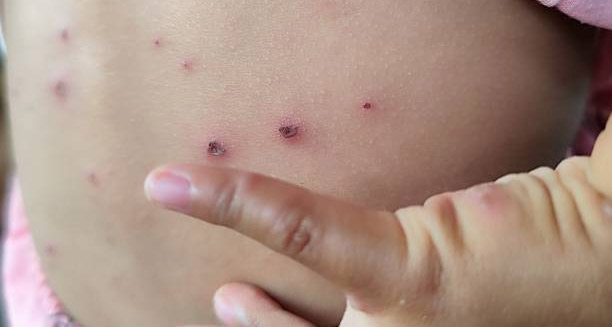

Complications of Measles
Complications of measles can range from mild to life-threatening, particularly in vulnerable populations such as young children, pregnant women, and individuals with weakened immune systems. While measles is often thought of as a childhood illness that resolves with time, it can lead to a wide array of serious medical issues. In some cases, these complications can result in long-term disability or death. Understanding the potential complications of measles is critical to appreciating the importance of vaccination and timely medical care.
Common Complications
Several common problems appear in both children and adults during or after a measles infection. These issues often need extra medical treatment and can extend recovery time.
1. Ear Infections (Otitis Media)
This is one of the most frequent complications of measles, especially in children. It can cause:
• Ear pain and swelling
• Short-term or lasting hearing loss
• Repeat infections when not treated well
2. Diarrhoea and Dehydration
Many patients, especially infants, suffer from diarrhoea during measles. This often leads to:
• Severe fluid loss
• Salt and mineral imbalance
• Hospital stays if dehydration becomes dangerous
3. Croup and Laryngitis
Measles can inflame the throat and upper airway. As a result, patients may develop:
• Hoarseness
• Harsh barking cough
• Trouble breathing
These symptoms are most serious in young children. They may even require urgent hospital care.
Severe and Life-Threatening Complications of Measles
Most patients recover without lasting problems. However, some develop serious complications of measles. These can appear even in healthy people. Hospital treatment and intensive care may then become necessary.
1. Pneumonia
Pneumonia remains the most common cause of death from measles. It can be:
• A direct viral pneumonia from the measles virus
• A bacterial pneumonia that strikes when the body’s defences are weak
Clear symptoms include:
• Trouble breathing
• High fever
• Chest pain
• Bluish lips or nails
Pneumonia often proves fatal in malnourished patients or those with weak immune systems.
2. Encephalitis
Encephalitis is one of the most dangerous brain complications of measles. It develops in about 1 in 1,000 cases. It can show up:
• During the illness itself
• Or later, as a delayed immune reaction
Furthermore, it causes:
• Seizures
• Loss of awareness
• Sudden behaviour changes
• Lasting problems with thinking or movement
Quick treatment in an intensive care unit usually becomes necessary.
3. Subacute Sclerosing Panencephalitis (SSPE)
This rare but fatal disease develops years after measles. Most often it starts 7–10 years later, even if the person seemed fully healed. SSPE slowly destroys the brain and nervous system. Signs include:
• Personality and mood changes
• Worsening memory and thinking
• Muscle jerks
• Loss of vision
• Coma and death
There is no cure for SSPE. This fact shows again why measles prevention through vaccination is so urgent.
Complications of Measles in High-Risk Groups
Some groups face much higher risks of severe problems and death. Their weaker defences make measles more dangerous.
1. Infants and Young Children
• Babies have undeveloped immune systems.
• A lack of vitamin A raises the chance of severe problems.
2. Pregnant Women
Pregnant women with measles often suffer complications such as:
• Premature labour
• Miscarriage or stillbirth
• Low birth weight in babies
3. Immunocompromised Individuals
People with HIV/AIDS or on chemotherapy have weaker immune systems. In them, measles worsens quickly and can turn fatal.
Long-Term Sequelae
Even after healing from the illness, many patients face lasting complications of measles. These can include:
• Hearing loss caused by infections or nerve damage
• Brain injury after encephalitis
• Poor eyesight from corneal damage or optic nerve swelling
Such long-term effects reduce quality of life. They often demand years of rehabilitation or special schooling.