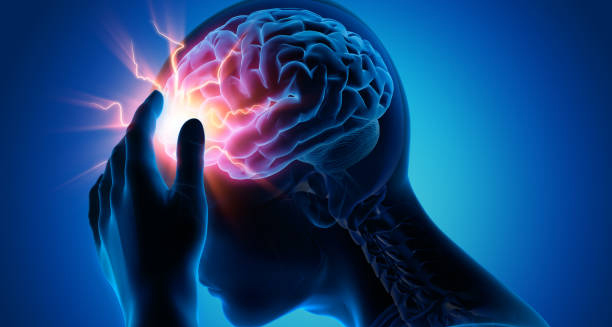

Concussion – Overview
Concussion is a mild traumatic brain injury (TBI) that occurs when a sudden blow or jolt to the head disrupts normal brain function. Although a concussion is usually not life-threatening, it can lead to a range of physical, cognitive, and emotional symptoms that may last days or even weeks. Prompt recognition and appropriate care are essential to avoid complications and ensure full recovery.
The brain is cushioned by cerebrospinal fluid, but a direct or indirect impact can cause it to move rapidly within the skull. This movement may result in chemical changes, inflammation, and temporary disruption of nerve signals. Common causes include falls, sports injuries, motor vehicle accidents, and violent assaults. Even a minor bump can lead to a concussion if the force is sufficient.
Unlike other traumatic injuries, concussions often show no visible signs of damage on standard brain scans, making them harder to diagnose. Symptoms may appear immediately or develop gradually over hours. They can affect memory, concentration, mood, and physical coordination.
Concussion
Concussions are especially concerning in children and teenagers, whose brains are still developing. Multiple concussions, even if individually mild, can have cumulative effects and lead to long-term cognitive decline or conditions like post-concussion syndrome or chronic traumatic encephalopathy (CTE) in athletes.
Fortunately, most people recover fully with rest and supportive care. However, returning to normal activities too soon can worsen symptoms and delay healing. Medical assessment is important to ensure the injury is properly managed and to rule out more serious brain damage.
In summary, concussion is a temporary brain injury that demands attention, rest, and professional oversight. Early identification and careful recovery planning are critical for optimal outcomes.
[Next: Causes of Concussion →]