
Coronary Heart Disease – Overview
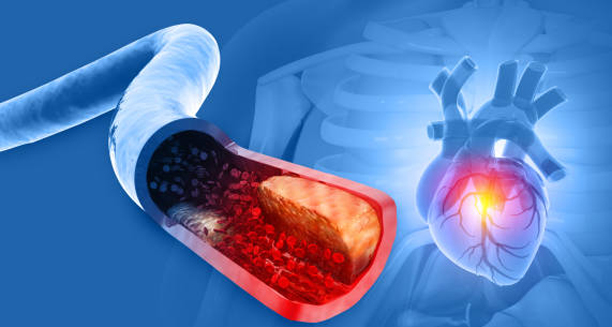
Coronary heart disease is a condition where the blood vessels supplying the heart muscle—known as the coronary arteries—become narrowed or blocked due to the build-up of fatty deposits called plaque. This restricts blood flow to the heart, which can lead to chest pain, shortness of breath, heart attacks, or even sudden cardiac death. This disease is the leading cause of death globally and a major contributor to illness and disability in both men and women.
The heart needs a constant supply of oxygen-rich blood to function efficiently. When plaque—made up of cholesterol, fatty substances, and cellular waste—accumulates on the inner walls of the arteries, it creates a condition known as atherosclerosis. This narrows the artery and reduces blood flow. In some cases, the plaque may rupture, forming a clot that completely blocks the artery, resulting in a heart attack.
Coronary Heart Disease
Lifestyle factors such as a poor diet, lack of exercise, smoking, and chronic stress play a major role in the development of this disease. Genetic predisposition and underlying medical conditions like diabetes, high blood pressure, and high cholesterol further increase the risk.
Symptoms may be silent in the early stages but typically progress over time. Common warning signs include angina (chest pain), fatigue, palpitations, and difficulty breathing during exertion.
In summary, this disease refers to the narrowing or blockage of coronary arteries due to plaque build-up. Left untreated, it can have serious and life-threatening consequences. Early diagnosis, lifestyle changes, and proper medical treatment can significantly reduce the risk of complications.
[Next: Causes of Coronary Heart Disease →]