
Cyclothymia – Overview
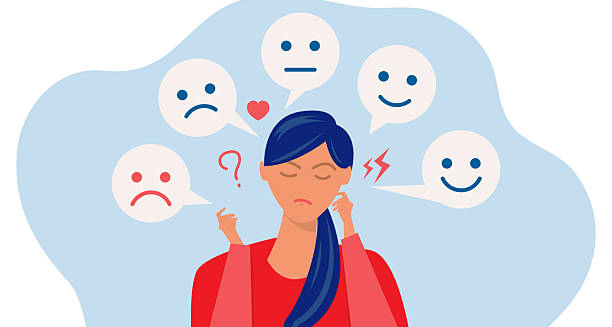
Cyclothymia is a long-term mood disorder characterised by fluctuating emotional states that alternate between mild depressive episodes and periods of hypomania. These swings are not as extreme as those seen in bipolar I or II disorder. However, they are frequent and disruptive enough to interfere with daily functioning. People with cyclothymia. Hereby, we often find ourselves caught in a constant loop of emotional highs and lows. Additionally, feeling stable only briefly between cycles.
The condition typically begins during adolescence or early adulthood. However, people often fail to diagnose it because they mistake the symptoms for normal moodiness or stress. People may interpret the hypomanic phases as high energy or productivity. While the depressive phases may appear as general fatigue or lack of motivation. This makes it harder for both the individual and clinicians to recognise the underlying disorder. Especially when people dismiss the mood fluctuations as personality traits.
Cyclothymia must persist for at least two years in adults (or one year in children and teens) to meet the diagnostic criteria. During that time, individuals must experience frequent mood changes without extended periods of emotional stability. Although each phase of mood disturbance is considered subclinical. That is not severe enough to qualify as a major depressive or manic episode. Therefore, the cumulative toll on relationships, work, and self-esteem can be significant.
Cyclothymia – Overview
In many cases, individuals with cyclothymia report feeling like they are on an emotional rollercoaster. Hereby, never knowing when the next dip or spike will occur. These mood shifts are unpredictable and often not tied to external events. The persistent emotional turbulence may lead to frustration, exhaustion, and impaired judgement in social or professional contexts.
In summary, cyclothymia is a chronic mood disorder that involves ongoing shifts between low-grade depression and hypomania. Although symptoms may appear subtle compared to other mood disorders. They have a lasting impact on an individual’s quality of life. With early diagnosis and appropriate treatment, many people with cyclothymia can manage their symptoms and lead balanced, fulfilling lives.
[Next: Causes of Cyclothymia →]