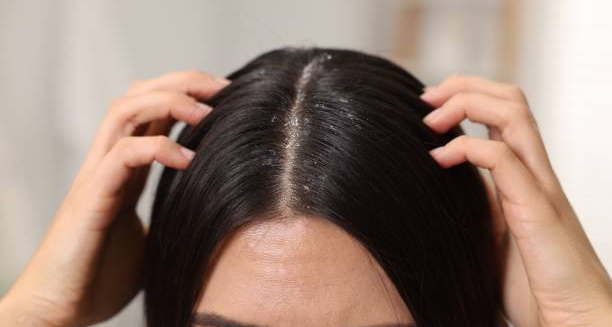

Dandruff – Overview
Dandruff is a common scalp condition that causes the skin to flake off, often accompanied by itching, irritation, and dryness. These white or yellow flakes can be seen on the scalp. Additionally, in the hair, and often on the shoulders or collar of clothing. While dandruff is not contagious or medically serious, it can be embarrassing, persistent, and uncomfortable, especially when flare-ups become frequent.
The condition typically results from an imbalance in the scalp’s skin cell renewal cycle. Normally, skin cells on the scalp are continuously replaced. However, in individuals with dandruff, this process becomes accelerated. Furthermore, this leads to a build-up of dead skin cells that clump together as visible flakes. It often appears in puberty and can continue into adulthood, affecting people of all ages, genders, and ethnicities.
A number of factors can influence the development and severity of dandruff. Including skin type, environmental conditions, stress levels, and personal hygiene. Dry weather, cold temperatures, and certain hair products may worsen the condition. While regular shampooing and scalp care often help to manage it.
Dandruff
Though not medically dangerous, dandruff can negatively affect self-esteem and confidence. It’s frequently confused with other scalp conditions such as psoriasis, eczema, or seborrhoeic dermatitis, so accurate diagnosis is important for effective treatment. Fortunately, many over-the-counter and prescription treatments are available, including medicated shampoos, scalp exfoliants, and natural remedies.
In summary, dandruff is a non-contagious but often persistent scalp condition marked by visible flakes and irritation. With the right treatment and routine scalp care, most people can effectively manage or eliminate symptoms.