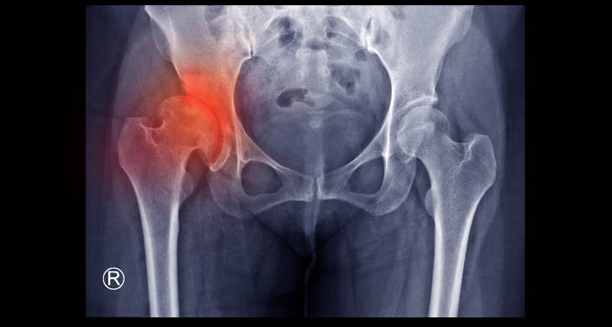

Developmental Dysplasia of the Hip – Overview
Developmental dysplasia of the hip (DDH) is a condition where the hip joint does not form properly in infants and young children. In this condition, the ball at the top of the thigh bone is not securely held in the socket of the pelvis. This can lead to instability, partial dislocation, or complete dislocation of the joint. Early detection and treatment are essential to avoid long-term mobility problems and joint degeneration.
The hip joint is a ball-and-socket structure. In babies with DDH, the socket may be too shallow, or the ligaments holding the joint in place may be too loose. This abnormal development can begin before birth or continue to evolve after the child is born. The condition ranges in severity from mild instability to full dislocation. Additionally, it can affect one or both hips, although the left hip is more commonly involved.
Developmental of this is more common in girls, first-born children, breech presentations. Additionally, in babies with a family history of hip problems. It is also more prevalent in cultures that practise tight swaddling of infants with extended legs. Which can restrict normal hip development.
Developmental Dysplasia of the Hip
When identified and managed early, most children with DDH develop normal hip function and avoid complications. However, if left untreated, the condition can lead to chronic pain, limping, leg length differences, and early-onset arthritis.
In summary, developmental dysplasia of the hip is a condition that affects the normal development of the hip joint in infants and children. Prompt diagnosis and intervention can restore normal joint function and prevent future mobility issues.
[Next: Causes of Developmental Dysplasia of the Hip →]