
Diabetic Ketoacidosis – Overview
Diabetic ketoacidosis is a serious and potentially life-threatening complication of diabetes that requires urgent medical attention. It occurs when the body starts breaking down fat too quickly due to a lack of insulin, leading to the build-up of toxic acids known as ketones in the bloodstream. This condition primarily affects people with type 1 diabetes, but it can also develop in individuals with type 2 diabetes, particularly during periods of illness or physical stress.
Under normal circumstances, insulin allows glucose to enter cells and provide energy. In the absence of sufficient insulin, the body cannot use glucose properly and begins to break down fat as an alternative energy source. This process releases ketones, which make the blood acidic when present in high levels. If not treated promptly, diabetic ketoacidosis can result in severe dehydration, coma, and even death.
This condition develops rapidly, sometimes within 24 hours, and may be the first sign of undiagnosed diabetes in some individuals. It often requires hospitalisation for intravenous fluids, insulin therapy, and close monitoring of electrolytes and vital signs. The longer the treatment is delayed, the greater the risk of complications, including brain swelling and kidney failure.
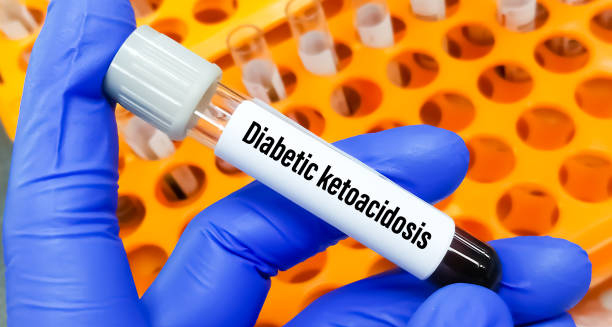
Diabetic Ketoacidosis
Diabetic ketoacidosis is preventable with good blood sugar control and regular self-monitoring. People living with diabetes should be aware of the signs and triggers, especially during illness, and have a clear action plan in place. Education, early intervention, and access to medical care significantly improve outcomes.
In summary, diabetic ketoacidosis is a dangerous metabolic emergency associated with uncontrolled diabetes. Recognising early warning signs and initiating prompt treatment can be lifesaving and reduce long-term damage.
[Next: Causes of Diabetic Ketoacidosis →]