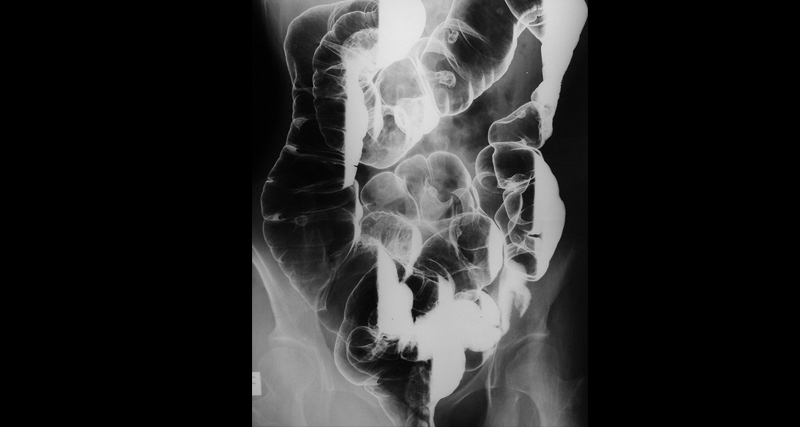

Diagnosis and Evaluation of Bowel Polyps
The diagnosis and evaluation of bowel polyps are critical steps in preventing colorectal cancer. Because these growths are often asymptomatic, routine screening plays a major role in early detection. Timely diagnosis can result in simple treatments and avoid life-threatening complications.
5 Forms of Diagnosis
1. Colonoscopy
This is the most comprehensive diagnostic method. A flexible tube with a camera is inserted into the rectum to visualise the entire colon. Polyps can often be removed during the procedure.
2. Flexible sigmoidoscopy
Used to inspect the lower colon. Less comprehensive than colonoscopy but still effective for initial screening.
3. Stool-based tests
These include FIT (Fecal Immunochemical Test), gFOBT (guaiac-based fecal occult blood test), and stool DNA tests. While non-invasive, they only indicate the potential presence of polyps and require follow-up if positive.
4. CT colonography (virtual colonoscopy)
An imaging test that creates detailed views of the colon, often used when a full colonoscopy isn’t possible.
5. Biopsy and lab testing
Removed polyps are sent for histological analysis to determine their type and cancer risk. This helps guide future screening intervals.
In South Africa, access to the diagnosis depends on healthcare setting. Private facilities typically offer faster diagnostics, while public hospitals may experience backlogs. However, even basic tests in primary care can initiate early referrals.
Diagnosis and Evaluation of Bowel Polyps
Ultimately, the diagnosis is a preventive strategy—one that saves lives through simple, proactive steps.
👉 [Next: Treatment Options for Bowel Polyps]