
Diagnosis and Treatment of Actinomycosis
Diagnosis and Treatment of Actinomycosis can be difficult due to its slow progression and non-specific symptoms. There’s no quick blood test, and the condition is often misdiagnosed without a tissue sample.
Diagnostic Methods:
- Physical exam of sinus tracts and swelling
- CT or MRI to locate abscesses or masses
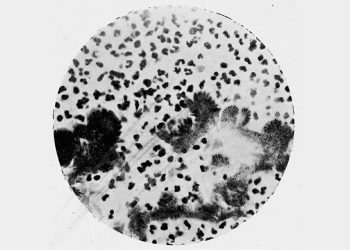
- Biopsy and microbiological culture to confirm presence of Actinomyces
- Rule out TB, cancer, and other bacterial infections
South African clinics may initially misclassify actinomycosis as TB due to similar symptoms. It’s essential that clinicians request anaerobic cultures when actinomycosis is suspected.
Treatment
The cornerstone of treatment is long-term antibiotic therapy.
1. Antibiotics
- Penicillin (high dose for 4–6 weeks intravenously, then oral penicillin or amoxicillin for several months)
- Alternatives include doxycycline, clindamycin, or erythromycin
2. Surgical Drainage
- Needed for large abscesses or when antibiotics alone aren’t sufficient
- May be required to debride sinus tracts or remove infected tissue
3. Dental and Gynaecological Care
- Address underlying dental infections
- Remove long-standing IUDs if pelvic actinomycosis is suspected
Prognosis is excellent with early treatment. However, in areas with limited access to diagnostics and follow-up, complications may arise due to delayed or inadequate treatment.
🔹 Next → [Complications and Long-Term Outlook of Actinomycosis]
Treatment Options for Brain Abscess