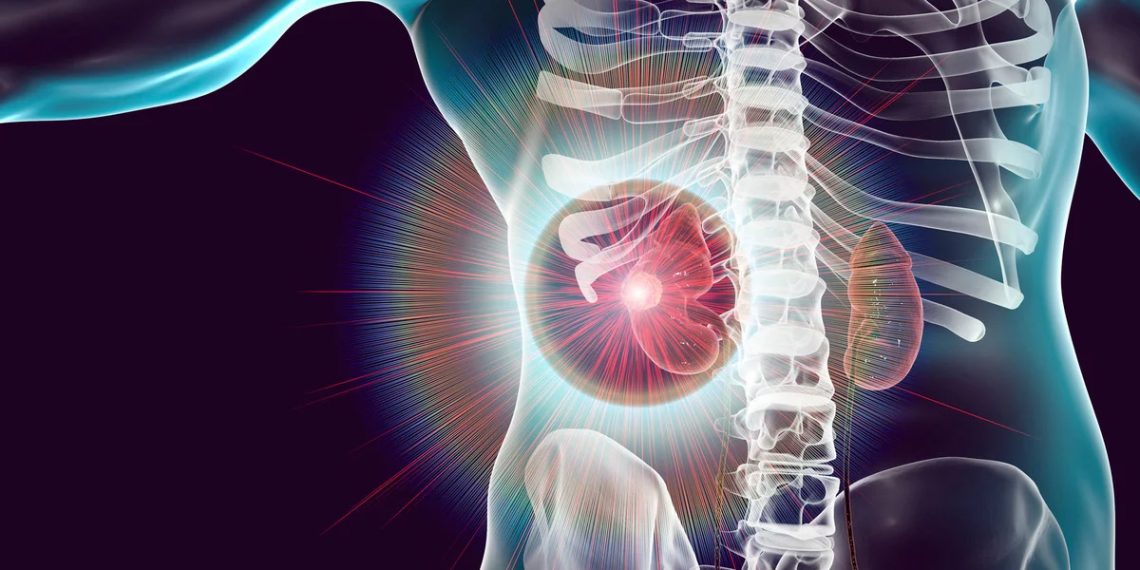

Diagnosis and Treatment of Acute Kidney Injury (AKI)
Diagnosis and Treatment of Acute Kidney Injury (AKI) involves a combination of laboratory tests, clinical observations, and imaging. Because the condition can develop quickly and progress rapidly, early identification is essential for successful treatment.
Diagnosis
The first signs of AKI are often detected through blood tests. Elevated levels of creatinine and blood urea nitrogen (BUN) are key indicators that the kidneys are not filtering waste effectively. Abnormal electrolyte levels—especially high potassium (hyperkalaemia)—can signal kidney dysfunction and pose serious risks, including irregular heart rhythms.
Alongside blood tests, doctors will usually request a urinalysis, which can reveal abnormalities such as blood, protein, or signs of infection that might contribute to the kidney injury. Doctors often combine these tests with imaging studies, most commonly a renal ultrasound, to identify physical blockages such as kidney stones or urinary tract obstructions.
Monitoring the patient’s fluid balance is also critical. A significant drop in urine output, especially over 24 hours, can suggest that the kidneys are no longer working properly.
Treatment
Once they diagnose AKI, doctors treat the underlying cause, support kidney function, and work to prevent further injury.
- Correct the Cause
Doctors begin by rehydrating patients when dehydration causes AKI. They treat bacterial infections with appropriate antibiotics. If nephrotoxic medications—like certain painkillers or contrast agents—trigger the condition, they immediately stop those drugs.
- Supportive Care
Doctors use supportive measures to help the kidneys recover. This might include intravenous (IV) fluids, blood pressure medications, or diuretics to encourage urine flow. Frequent monitoring of electrolytes—particularly potassium, sodium, and calcium—is necessary to avoid life-threatening imbalances.
- Dialysis (in severe cases)
In advanced or non-responsive AKI, dialysis may be required. Dialysis performs the job of the kidneys by removing waste products and excess fluids from the blood. In many cases, this is a temporary measure until the kidneys begin to recover.
Many parts of South Africa and the broader African continent struggle with limited access to dialysis because of infrastructure challenges and high costs. This makes early diagnosis and prevention even more critical in reducing long-term damage and saving lives.
🔹 Next → [Complications and Long-Term Outlook]
Treatment and Recovery from Chronic Kidney Disease
Causes and Risk Factors of Acute Kidney Injury