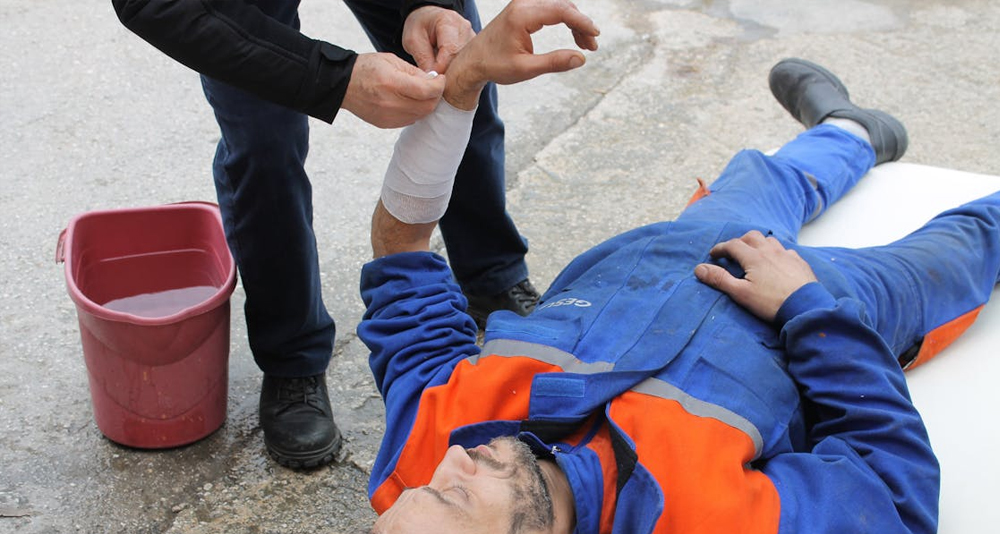

Diagnosis of a Broken Arm
Diagnosis of a Broken Arm begins with a detailed history and physical examination, followed by imaging to confirm the fracture. Accurate diagnosis of a broken arm is essential to decide the correct treatment plan, prevent complications, and estimate the recovery timeline.
During the initial evaluation, the healthcare provider will ask how the injury occurred, what the patient felt at the time, and whether there were any sounds like a crack or snap. They will inspect the arm for swelling, bruising, misalignment, or wounds. Gentle palpation helps identify points of tenderness, while movement tests check for stability and joint involvement.
If nerve or blood vessel damage is suspected, circulation will be assessed by checking the pulse and observing skin colour and temperature. The doctor may also perform neurological checks to evaluate sensation and muscle strength in the hand and fingers.
X-rays are the most commonly used imaging method for fractures. They can reveal the exact location and type of break — whether it’s a clean break, a displaced fracture, a spiral fracture, or a comminuted fracture (where the bone is in multiple pieces). X-rays also help monitor healing progress during follow-up visits.
Diagnosis of a Broken Arm
In complex or unclear cases, advanced imaging like a CT scan or MRI may be required. These are particularly useful if the fracture involves a joint or is associated with soft tissue injuries. Children may receive a different type of scan to reduce radiation exposure if necessary.
In rural areas of South Africa, delays in accessing X-ray facilities can slow diagnosis, especially in overburdened public hospitals. Those with private healthcare may receive faster service and immediate referral to an orthopaedic specialist.
An accurate diagnosis of a broken arm is the cornerstone of effective treatment. It determines whether non-surgical management is sufficient or if surgical intervention is required. Without clear imaging and clinical evaluation, the risk of complications like malunion or impaired mobility increases significantly.
[Next: Treatment of a Broken Arm →]