Diagnosis of a Broken Toe
Diagnosis of a Broken Toe begins with a physical exam and is confirmed using imaging tests. A proper diagnosis of a broken toe ensures appropriate treatment, minimises recovery time, and prevents long-term complications like joint stiffness or poor alignment.
During the clinical examination, the doctor will ask how the injury occurred and what symptoms are present. They’ll inspect the foot for swelling, bruising, and tenderness, comparing it with the unaffected side. If the toe looks deformed or cannot bear weight, a fracture is likely.
Palpation is used to assess pain points and bone stability. The doctor may gently press different parts of the toe to locate the break and check whether it moves abnormally. However, excessive manipulation is avoided to prevent further damage.
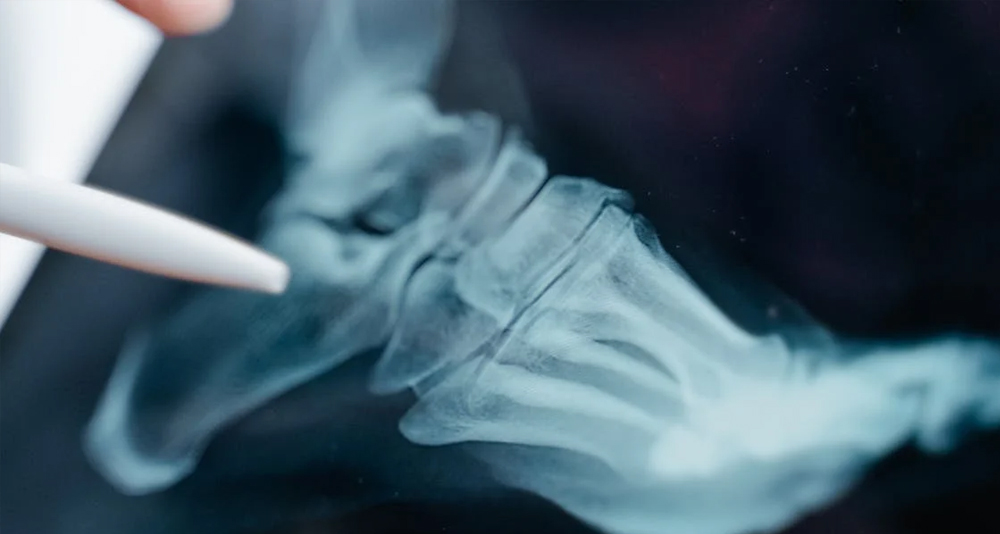
X-rays are the gold standard for diagnosing toe fractures. They reveal the location, type, and severity of the break. X-rays also show whether the bone is displaced or aligned and if the joint is involved. In complex fractures, more than one toe may need to be imaged.
Diagnosis of a Broken Toe
In rare cases, a CT scan may be ordered if a tiny fracture is suspected but not clearly visible on an X-ray. This is more common in patients with persistent symptoms despite a normal X-ray result or in professional athletes where full function is critical.
Doctors will also evaluate circulation and nerve function. Poor blood flow, numbness, or discolouration may require immediate action, especially in cases where swelling threatens nearby tissues.
Diabetic patients and those with peripheral vascular disease are treated with extra caution. Because of reduced sensation, they may not feel pain normally, leading to delayed diagnosis and an increased risk of complications like infection or poor healing.
An accurate diagnosis of a broken toe guides the next steps — whether conservative treatment or surgical referral — and plays a major role in avoiding future mobility problems.
[Next: Treatment of a Broken Toe →]