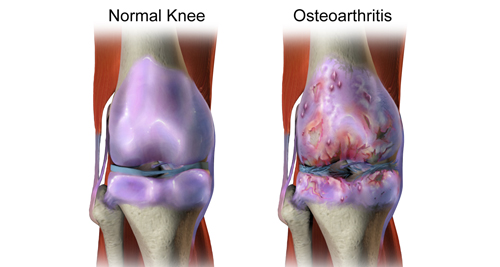

Diagnosis of Arthritis
Diagnosis of arthritis involves a combination of clinical examination, medical history, blood tests, and imaging studies. Early diagnosis is crucial to limit joint damage and maintain mobility.
1. Medical History
The doctor will ask about:
- Onset and duration of joint pain
- Specific joints involved
- Morning stiffness or pain that worsens with activity
- Family history of arthritis or autoimmune disease
2. Physical Examination
The doctor will check for:
- Swollen or tender joints
- Reduced range of motion
- Warmth or redness over the joint
- Deformities or visible joint damage
3. Laboratory Tests
Used to confirm the type of arthritis:
- Rheumatoid factor (RF) and anti-CCP antibodies – indicate rheumatoid arthritis
- ESR and CRP – measure inflammation levels
- Uric acid – elevated in gout
- ANA test – screens for autoimmune conditions
4. Imaging Tests
- X-rays – show joint space narrowing or bone spurs
- Ultrasound – detects soft tissue inflammation and joint fluid
- MRI – provides detailed images of joint structures
In South Africa, public hospitals offer basic imaging and blood work, while private facilities provide more advanced diagnostics. Rural areas may have delays in diagnosis due to limited access to specialists.
Once a diagnosis is confirmed, treatment can begin.
👉 [Next: Treatment for Arthritis]
Blouberg Rheumatology and Arthritis Centre Rheumatologist Milnerton