
Diagnosis of Atopic Eczema
Diagnosis of atopic eczema is usually based on clinical observation and medical history. A healthcare provider will look for the characteristic skin changes, ask about itching, and consider any family history of allergic diseases.
Common Tests During Diagnosis of Atopic Eczema
There’s no single test for eczema, but certain tests may be used to rule out similar conditions or identify triggers:
- Patch testing: Checks for contact allergies
- Skin prick tests: Helps identify environmental allergens
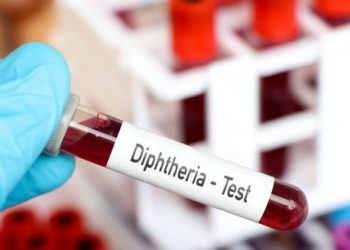
- Blood tests: May reveal raised IgE levels in allergic individuals
- Swabs or cultures: Used if skin infection is suspected
In South Africa, diagnosis is generally made by a GP or dermatologist. In rural areas with limited specialist access, community clinics play a crucial role in identification and early treatment.
The Value of a Clear Diagnosis
Diagnosing atopic eczema early helps guide effective treatment and avoids unnecessary or harmful interventions. Since no single test confirms eczema, diagnosis is typically based on visible symptoms, personal history, and possible allergy testing to rule out other skin conditions.
Supporting Early Diagnosis in South Africa
In South Africa, where access to dermatologists may be limited, especially in rural areas, general practitioners and clinic nurses are essential in recognising and managing eczema. A timely and accurate diagnosis ensures families receive proper guidance, avoid steroid misuse, and begin appropriate care — improving long-term outcomes and skin health.
Accurate diagnosis ensures proper care and avoids overuse of steroid creams or ineffective treatments.
👉 [Next: Treatment of Atopic Eczema]
Causes and Triggers of Atopic Eczema