
Diagnosis of Bacterial Vaginosis
Diagnosis of Bacterial Vaginosis involves a simple clinical examination and, in some cases, laboratory tests to confirm the cause of symptoms. Because BV shares symptoms with other vaginal infections like thrush (candidiasis) and trichomoniasis, doctors must make an accurate diagnosis to ensure the right treatment.
Steps in diagnosis include:
- Medical history and symptom review
- A doctor or nurse will ask about the nature, colour, and smell of any discharge.
- They may also ask about sexual activity, hygiene products used, and history of similar symptoms.
- Physical examination
- A pelvic exam allows the healthcare provider to inspect the vagina and cervix and check for discharge, odour, or signs of inflammation.
- Vaginal swab test
- Doctors may collect a sample of vaginal fluid using a cotton swab for testing and diagnosis.
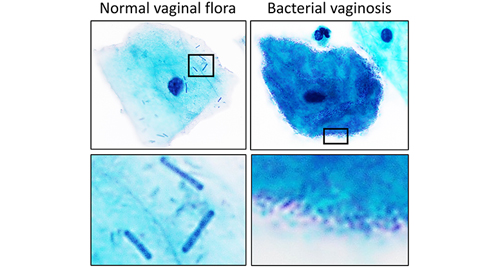
- Doctors examine the sample under a microscope or send it to a lab to check for bacterial changes, pH levels, and the presence of “clue cells” — vaginal cells coated with bacteria.
- pH test
- BV usually causes the vaginal pH to rise above 4.5.
- Normal vaginal pH is slightly acidic (around 3.8 to 4.5), which helps prevent overgrowth of harmful bacteria.
In South Africa, many clinics and public health facilities offer BV testing as part of reproductive health services. In some areas, women are treated based on symptoms alone due to a lack of lab infrastructure. This approach is known as syndromic management.
Self-diagnosis is not recommended. While some over-the-counter products claim to treat vaginal odour or discharge, they may mask symptoms without addressing the underlying cause. Leaving an infection untreated can lead to complications, especially during pregnancy.
Diagnosis of Bacterial Vaginosis
If you’re pregnant and suspect BV, you must get tested and treated promptly. BV during pregnancy is linked to premature birth and low birth weight, making early care essential.
👉 [Next: Treatment and Recurrence of Bacterial Vaginosis]