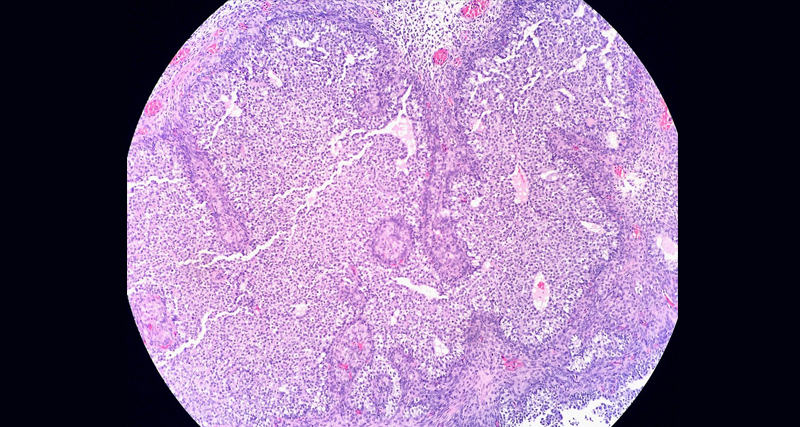
Diagnosis of Bartholin’s Cyst
Diagnosis of Bartholin’s cyst is generally straightforward. Most women seek help when they notice a lump, discomfort during movement or sex, or intense pain in the case of an abscess. Healthcare professionals will conduct a physical examination and may request further tests if necessary.
Diagnosis involves:
- Medical history
- The doctor may ask about the onset of the swelling, associated pain, sexual activity, hygiene practices, and any previous cysts or abscesses.
- Pelvic examination
- The doctor will examine the vulva and vaginal area, checking for swelling, tenderness, discharge, and signs of infection or abscess.
- A Bartholin’s cyst usually appears as a soft, smooth, painless lump, whereas an abscess appears red, hot, and painful.
- Swab or culture
- If infection is suspected, especially if pus is draining, the doctor may take a swab to identify the type of bacteria and choose the most effective antibiotic.
- STI screening
- Because some Bartholin’s abscesses involve sexually transmitted bacteria, STI tests may be recommended — particularly for gonorrhoea and chlamydia.
- Biopsy (rare)
- In women over 40 or with unusual cyst features, a biopsy may be done to rule out rare cases of Bartholin’s gland cancer.
In South Africa, diagnosis can be performed at local clinics, public hospitals, or private GPs. In areas with limited resources, syndromic treatment may be used, where doctors treat based on symptoms rather than lab confirmation.
Diagnosis of Bartholin’s Cyst
Most cases are benign and self-limiting, but proper diagnosis ensures effective treatment and excludes more serious conditions. Women are encouraged to seek medical advice early — especially if the cyst becomes painful, grows rapidly, or interferes with daily life.
👉 [Next: Treatment of Bartholin’s Cyst and Abscess]