Mental Matters

Mental Matters

  • Health & Wellness
  • Mental Health
  • Live Better
  • Directory
  • Articles & Guides
  • Advertise
  • Blog
  • Fields
  • Health & Wellness
  • Mental Health
  • Live Better
  • Directory
  • Articles & Guides
  • Advertise
  • Blog
  • Fields
  • Health & Wellness
  • Mental Health
  • Live Better
  • Directory
  • Articles & Guides
  • Advertise
  • Blog
  • Fields
  • Health & Wellness
  • Mental Health
  • Live Better
  • Directory
  • Articles & Guides
  • Advertise
  • Blog
  • Fields

Diagnosis of Brucellosis

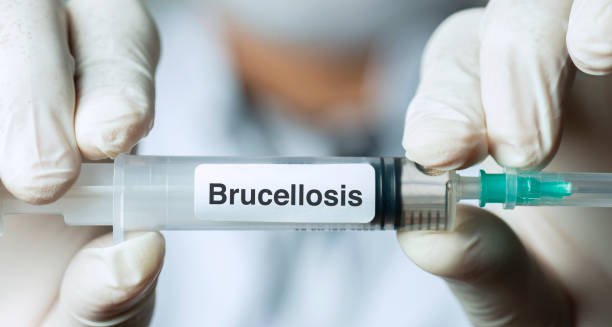
Syringe labelled brucellosis held by gloved hands

A healthcare professional displays a syringe marked ‘Brucellosis’—symbolising diagnostic procedures for this bacterial infection

Diagnosis of Brucellosis

Diagnosis of brucellosis requires a combination of clinical evaluation, laboratory testing, and a detailed patient history. An accurate diagnosis of brucellosis is vital. As the disease can mimic other infections or autoimmune conditions, delaying treatment if not correctly identified.

Doctors begin by reviewing symptoms and asking about risk factors such as occupation (e.g. farming, veterinary work). Recent travel to endemic areas, and consumption of unpasteurised dairy products. People with prolonged fever, muscle pain, and fatigue — especially in rural or agricultural settings — should be evaluated for brucellosis.

Physical examination may reveal fever, enlarged lymph nodes, joint tenderness, or hepatosplenomegaly. These findings are non-specific, so further testing is needed.

Blood cultures are the most definitive diagnostic tool. Isolating Brucella bacteria from the blood confirms the infection, though it may take several days to grow in the lab. In chronic cases, the bacteria may be harder to detect. Furthermore, requiring repeated cultures or sampling from infected tissues or bone marrow.

Serological tests such as the standard agglutination test (SAT), ELISA, or Coombs test measure antibodies to Brucella and help detect both acute and chronic infections. Rising antibody levels in repeat tests can confirm active infection.

PCR (polymerase chain reaction) testing, though not widely available, offers rapid detection by identifying Brucella DNA. It is useful in complicated or advanced cases.

Diagnosis of Brucellosis

Additional tests like full blood counts, liver function tests, or inflammatory markers (ESR, CRP) can support the diagnosis and monitor disease severity, though they are not specific to brucellosis.

Imaging studies such as ultrasound, CT scan, or MRI may be used to identify complications — such as abscesses, joint damage, or inflammation of internal organs.

A timely diagnosis of brucellosis ensures appropriate treatment, reduces the risk of chronic complications, and improves the likelihood of full recovery. Doctors should always consider brucellosis in patients with fever of unknown origin and relevant exposure history.

[Next: Treatment of Brucellosis →]

Complications and Recovery from Brucellosis
Brucellosis
Causes of Brucellosis
Symptoms of Brucellosis

Related Posts

Person scratching red allergic rash on arm with allergy medications on the table
Hay Fever

Prevention of Hay Fever

July 17, 2025

Prevention of Hay Fever Successful prevention of hay fever depends on reducing...

Hands holding a red heart-shaped object symbolising cardiac care
Brugada Syndrome

Treatment of Brugada Syndrome

June 11, 2025

Treatment of Brugada Syndrome Treatment of Brugada syndrome aims to prevent sudden...

Mental Matters

Facebook Instagram

Your Weekly Dose of Mental Health Support
– Straight to Your Inbox

  • Your journey to better mental health starts here—with expert insights and helpful resources delivered weekly.


© 2025 Mental Matters. All rights reserved. The content on this website is intended for informational purposes only and does not constitute medical advice, diagnosis, or treatment. Please consult a qualified health professional for any medical concerns.

Quick Links

  • Directory

  • Advertise

  • Conditions

  • Real Talk

  • Eating Disorders

  • Depressed

  • Autism

  • Community

  • Resources

About

  • Get In Touch

  • Home

  • Privacy Policy

  • Suicide Prevention Support

  • Terms & Conditions

© 2025 Mental Matters. All rights reserved.

No Result
View All Result
  • Health & Wellness
  • Mental Health
  • Live Better
  • Directory
  • Articles & Guides
  • Advertise
  • Blog
  • Fields

© MENTAL MATTERS 2024