
Diagnosis of Cataracts in Adults
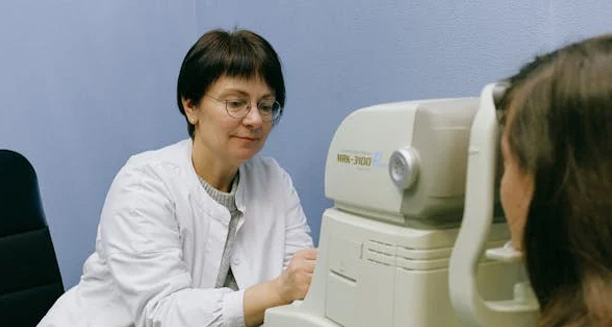
Diagnosis of cataracts in adults is usually made during a routine eye examination and involves a series of non-invasive, painless tests. A timely diagnosis of cataracts in adults ensures appropriate treatment planning and helps prevent unnecessary deterioration of sight and quality of life.
The process begins with a comprehensive review of your vision history and symptoms. Your eye care provider will ask about recent changes in eyesight, such as blurriness, glare, colour distortion, or trouble reading. They’ll also consider risk factors, including age, diabetes, medication use, or previous eye injuries.
The visual acuity test is the first step. This familiar eye chart test evaluates how well you can see at various distances. Adults with cataracts usually have reduced sharpness and may struggle with reading smaller letters even with corrective lenses.
A slit-lamp examination follows. This specialised microscope allows the optometrist or ophthalmologist to examine the structures at the front of the eye in detail. Using a bright, narrow beam of light, they can identify the size, location, and type of cataract present. This exam is especially useful for detecting early lens changes before symptoms become severe.
Pupil dilation is often necessary to examine the lens and retina more thoroughly. Eye drops are used to widen the pupils, making it easier to inspect the back of the eye. This helps rule out other causes of visual decline, such as age-related macular degeneration or retinal detachment.
Tonometry, a test that measures intraocular pressure, is also commonly included. Although it does not diagnose cataracts directly, it is vital for identifying glaucoma, which may exist alongside cataracts and require separate management.
Diagnosis of Cataracts in Adults
In some cases, additional tests like optical coherence tomography (OCT) may be used to examine the retina in greater detail, especially if other eye diseases are suspected.
If cataracts are confirmed and vision is significantly impaired, the doctor will discuss whether cataract surgery is the best next step. They’ll also evaluate both eyes, even if only one shows symptoms, to anticipate future needs.
A well-executed diagnosis of cataracts in adults is the foundation for successful treatment. It enables doctors and patients to develop a plan that supports long-term vision and lifestyle goals, ensuring the best possible outcome.
[Next: Treatment of Cataracts in Adults →]