Mental Matters

Mental Matters

  • Health & Wellness
  • Mental Health
  • Live Better
  • Directory
  • Articles & Guides
  • Advertise
  • Blog
  • Fields
  • Health & Wellness
  • Mental Health
  • Live Better
  • Directory
  • Articles & Guides
  • Advertise
  • Blog
  • Fields
  • Health & Wellness
  • Mental Health
  • Live Better
  • Directory
  • Articles & Guides
  • Advertise
  • Blog
  • Fields
  • Health & Wellness
  • Mental Health
  • Live Better
  • Directory
  • Articles & Guides
  • Advertise
  • Blog
  • Fields

Diagnosis of Cerebral Palsy

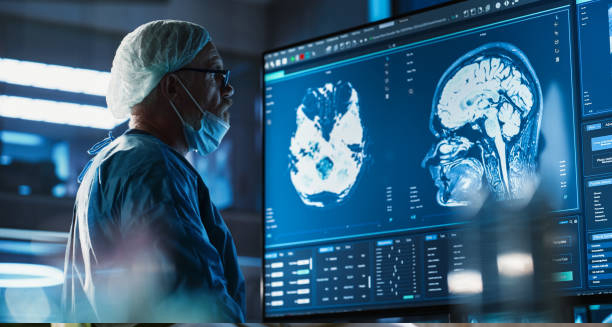
Medical professional analysing brain scans on a screen

A neurologist studies advanced brain imaging to assist in diagnosing cerebral palsy and evaluating neurological development.

Diagnosis of Cerebral Palsy

Diagnosis of cerebral palsy usually begins when parents or healthcare providers notice delayed milestones or abnormal movement patterns. While cerebral palsy can be diagnosed in infancy, many children are not formally diagnosed until 1–3 years of age. Early diagnosis allows for timely intervention, which can dramatically improve long-term outcomes.

1. Developmental Monitoring

Paediatricians routinely monitor a child’s growth and development during well-baby visits. Signs like delayed rolling, crawling, or walking may trigger further investigation. If a child consistently misses motor milestones or displays abnormal muscle tone or posture, the doctor may suspect cerebral palsy.

2. Physical and Neurological Examination

A detailed neurological exam evaluates muscle tone, strength, reflexes, coordination, and movement. Doctors look for:

  • Stiff or floppy limbs
  • Abnormal reflex responses
  • Asymmetrical movement
  • Delayed motor skills

These assessments help identify which areas of the brain may be affected.

3. Brain Imaging | Diagnosis of Cerebral Palsy

To confirm the diagnosis and assess the extent of brain damage, doctors may order imaging studies:

  • MRI (Magnetic Resonance Imaging): Provides detailed brain images and can show white matter injury, malformations, or bleeding
  • CT Scan: Less detailed than MRI but useful in emergency settings
  • Cranial Ultrasound: Often used in premature babies while the skull is still soft

These tests help determine when and where the injury occurred and assist in ruling out other neurological disorders.

4. Additional Testing

Other assessments may include:

  • Electroencephalogram (EEG) if seizures are suspected
  • Vision and hearing tests
  • Developmental and psychological evaluations
  • Genetic testing, especially if no clear cause is found

5. Differential Diagnosis

Doctors may need to rule out other conditions like muscular dystrophy, metabolic disorders, or genetic syndromes. This ensures accurate diagnosis and tailored treatment.

Diagnosis of Cerebral Palsy

A confirmed diagnosis of cerebral palsy opens the door to therapy, educational planning, and medical management. Early identification enables children to access support services, start physiotherapy, and maximise their developmental potential from a young age.

[Next: Treatment of Cerebral Palsy →]
Complications and Recovery from Cerebral Palsy
Symptoms of Cerebral Palsy
Cerebral Palsy
Causes of Cerebral Palsy

Related Posts

Colour-coded brain scans showing structural differences in the brain, related to the diagnosis of bipolar disorder.
Bipolar Disorder

Diagnosis of Bipolar Disorder

June 9, 2025

Diagnosis of Bipolar Disorder Diagnosis of bipolar disorder is not always straightforward,...

Treatment of Dementia with Lewy Bodies
Dementia with Lewy Bodies

Treatment of Dementia with Lewy Bodies

June 17, 2025

Treatment of Dementia with Lewy Bodies Treatment of dementia with Lewy bodies...

Mental Matters

Facebook Instagram

Your Weekly Dose of Mental Health Support
– Straight to Your Inbox

  • Your journey to better mental health starts here—with expert insights and helpful resources delivered weekly.


© 2025 Mental Matters. All rights reserved. The content on this website is intended for informational purposes only and does not constitute medical advice, diagnosis, or treatment. Please consult a qualified health professional for any medical concerns.

Quick Links

  • Directory

  • Advertise

  • Conditions

  • Real Talk

  • Eating Disorders

  • Depressed

  • Autism

  • Community

  • Resources

About

  • Get In Touch

  • Home

  • Privacy Policy

  • Suicide Prevention Support

  • Terms & Conditions

© 2025 Mental Matters. All rights reserved.

No Result
View All Result
  • Health & Wellness
  • Mental Health
  • Live Better
  • Directory
  • Articles & Guides
  • Advertise
  • Blog
  • Fields

© MENTAL MATTERS 2024