
Diagnosis of Cervical Spondylosis
Diagnosis of cervical spondylosis is based on a combination of clinical examination, medical history, and imaging tests. Early and accurate diagnosis helps prevent unnecessary discomfort and guides appropriate treatment.
1. Medical History
The doctor will begin by asking about your symptoms — their onset, severity, and any activities that aggravate them. Questions may include whether the pain is constant or comes and goes, if there is numbness or tingling, and whether weakness or coordination issues are present.
2. Physical Examination
A thorough physical exam assesses:
- Neck movement and flexibility
- Reflexes, muscle strength, and sensation in the arms and hands
- Gait and balance, especially if spinal cord compression is suspected
The doctor may gently press on certain areas or ask you to perform simple movements to evaluate discomfort and nerve function.
3. Imaging Studies | Diagnosis of Cervical Spondylosis
To confirm the diagnosis and assess the severity, the following scans may be used:
- X-rays: Useful for detecting bone spurs, disc space narrowing, and alignment issues
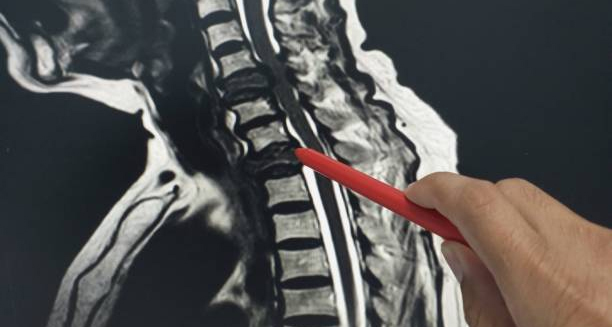
- MRI (Magnetic Resonance Imaging): Provides detailed images of soft tissues, including discs, spinal cord, and nerves — ideal for detecting nerve compression or herniated discs
- CT Scan: Offers a more detailed view of the bones and may be used if MRI is not available
- Myelogram: Sometimes used with a CT scan to assess spinal cord compression
4. Electromyography (EMG) and Nerve Conduction Studies
These tests evaluate the electrical activity of muscles and nerves, helping to confirm whether nerve compression is affecting motor function.
5. Differential Diagnosis
The doctor may need to rule out other conditions such as a herniated disc, multiple sclerosis, rheumatoid arthritis, or tumours. This ensures the correct diagnosis and avoids unnecessary treatment.
Diagnosis of Cervical Spondylosis
A confirmed diagnosis of cervical spondylosis allows for the development of a targeted treatment plan that may include physiotherapy, medications, or in some cases, surgical consultation.
[Next: Treatment of Cervical Spondylosis →]