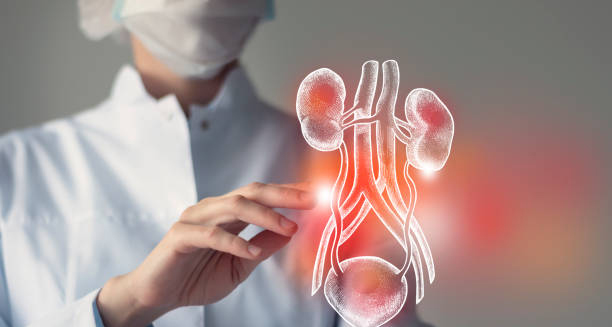

Diagnosis of Chronic Kidney Disease
Diagnosis of chronic kidney disease involves a combination of blood tests, urine analysis, and imaging studies. Since chronic kidney disease can be silent for years, proactive screening — especially in at-risk populations — is essential for early detection and management.
1. Glomerular Filtration Rate (GFR)
The GFR is the most reliable indicator of kidney function. It is calculated using blood creatinine levels, age, sex, and body size. A GFR below 60 for more than three months confirms a diagnosis of CKD. GFR also helps stage the disease from Stage 1 (normal) to Stage 5 (end-stage).
2. Serum Creatinine and Urea
Elevated creatinine and urea levels indicate the kidneys are not efficiently clearing waste. These are among the earliest biochemical markers of declining renal function.
3. Urine Albumin-to-Creatinine Ratio (ACR)
This test detects protein (mainly albumin) in the urine, a key sign of kidney damage. Persistent proteinuria is a strong predictor of disease progression and cardiovascular risk.
4. Urinalysis | Diagnosis of Chronic Kidney Disease
This general test screens for red blood cells, white blood cells, protein, glucose, and cellular casts. It can identify infections, glomerulonephritis, or tubular dysfunction.
5. Blood Pressure Monitoring
Hypertension is both a cause and effect of CKD. Ongoing blood pressure measurement helps in diagnosis, staging, and treatment monitoring.
6. Kidney Ultrasound
An ultrasound provides images of the kidneys, detecting abnormalities such as cysts, small or shrunken kidneys, tumours, or obstructions.
7. Electrolyte Panel | Diagnosis of Chronic Kidney Disease
Abnormal levels of potassium, calcium, phosphorus, and sodium reflect impaired renal function and guide dietary and medical interventions.
8. Kidney Biopsy
In certain cases, especially where autoimmune disease or glomerulonephritis is suspected, a biopsy may be performed. This involves removing a small sample of kidney tissue for microscopic examination.
By combining laboratory, imaging, and clinical data, a thorough diagnosis can be established, allowing for a comprehensive and individualised treatment approach.
[Next: Treatment and Recovery from Chronic Kidney Disease →]