
Diagnosis of Coccyx Pain
Diagnosis of coccyx pain begins with a detailed medical history and physical examination. Since coccyx pain can stem from various causes, proper diagnosis is key to finding the most effective treatment.
1. Medical History
Your doctor will ask about:
- When the pain started
- Whether there was any trauma or fall
- Daily habits, including posture and seating
- Occupation and lifestyle
- Any history of childbirth or prolonged sitting
Understanding how the pain behaves during different activities is essential.
2. Physical Examination
The physician will palpate the coccyx area to check for tenderness, swelling, or misalignment. An internal rectal examination may also be done to assess coccyx mobility and rule out tumours or abscesses.
3. Imaging Tests
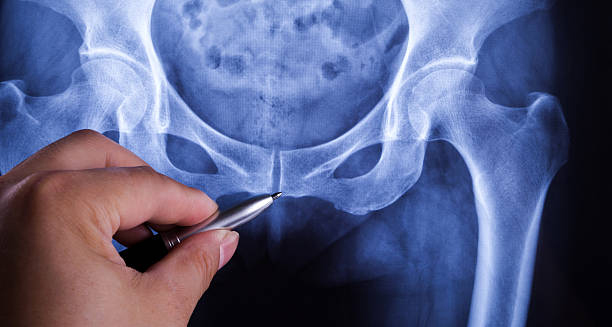
- X-rays: Side-view X-rays can reveal dislocation, fractures, or bone alignment issues.
- MRI scans: Used to detect soft tissue injuries, infections, or tumours compressing the coccyx.
- CT scans: Occasionally used when bone abnormalities are suspected but not visible on X-rays.
4. Dynamic Sitting and Standing X-rays
These special X-rays are taken in both sitting and standing positions to assess how the coccyx moves under pressure. Abnormal movement patterns may indicate instability or dislocation.
5. Diagnostic Injections
In uncertain cases, a local anaesthetic may be injected into the coccyx area. If the pain disappears temporarily, this confirms that the coccyx is the source of pain.
6. Differential Diagnosis | Diagnosis of Coccyx Pain
It’s important to distinguish coccyx pain from other conditions, such as:
- Haemorrhoids
- Anal fissures
- Sacroiliac joint dysfunction
- Sciatica
An accurate diagnosis ensures that treatment is targeted and effective, avoiding unnecessary interventions.
[Next: Treatment of Coccyx Pain →]