
Diagnosis of Cold Sores
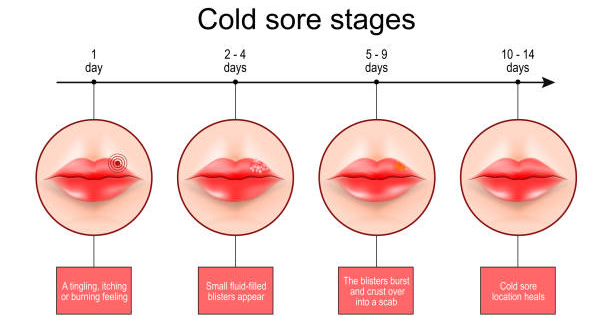
Diagnosis of cold sores is usually made through visual examination and a review of symptoms. In most cases, doctors can identify cold sores based on their appearance, location, and progression without needing lab tests. The presence of tingling or burning before the outbreak. Combined with recurring lesions on or near the lips, makes the diagnosis straightforward.
During a clinical evaluation, the healthcare provider may ask about previous occurrences, known triggers, and the duration of symptoms. They’ll also ask whether the patient is immunocompromised or if there’s any risk of severe complications. Especially in children, pregnant women, or people with weakened immune systems.
In certain cases—particularly when the sores are atypical in appearance, severe, or resistant to treatmen. Lab tests may be ordered to confirm the diagnosis. These tests include:
- Viral culture: Involves swabbing the sore to detect the herpes virus.
- Polymerase Chain Reaction (PCR): A highly sensitive test used to detect viral DNA.
- Tzanck smear: An older, less commonly used method to examine cells under a microscope.
Diagnosis of Cold Sores
Serological blood tests can detect antibodies to HSV-1 or HSV-2, which may be useful in some cases, especially if the patient is unsure whether they’ve been previously exposed to the virus. However, blood tests cannot determine the exact site of infection or confirm whether the virus is causing the current symptoms.
For individuals with frequent outbreaks, identifying personal triggers can be part of the diagnostic process. Keeping a symptom diary that includes diet, stress levels, weather exposure, and sleep habits can help pinpoint specific reactivation causes.
Diagnosis of Cold Sores
In immunocompromised individuals or those with complications like ocular herpes, more in-depth diagnostic procedures may be necessary, including ophthalmological exams or referral to a specialist.
Ultimately, the diagnosis of cold sores relies heavily on recognising patterns and symptoms, with testing reserved for complicated or uncertain cases. Early diagnosis ensures faster treatment, reduces the chance of spreading the virus, and can prevent serious complications in at-risk groups.
[Next: Treatment of Cold Sores →]