
Diagnosis of Common Cold
Diagnosis of the common cold is usually straightforward and based on the patient’s symptoms. Most healthcare providers can identify common cold infections without the need for laboratory tests, as the condition has a distinct pattern of onset and progression.
Doctors typically ask about the patient’s medical history and current symptoms, including when they began, how severe they are, and whether they’ve changed over time. They may perform a brief physical examination to:
- Check the throat for redness or swelling
- Listen to the lungs with a stethoscope
- Examine the nose and ears
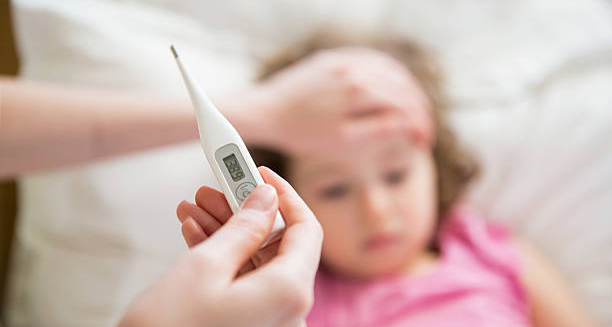
- Take the patient’s temperature
In most cases, this examination is enough to confirm a diagnosis. Additional testing is unnecessary unless the symptoms suggest a different illness or a complication, such as bacterial sinusitis, flu, COVID-19, or strep throat.
In more complex or high-risk cases, the doctor might recommend:
- Throat swab: To rule out bacterial infections like strep throat.
- COVID-19 test: Especially if symptoms overlap or during active outbreaks.
- Chest X-ray: If pneumonia is suspected, particularly in older adults or those with chronic conditions.
- Blood tests: Rarely used, unless another systemic illness is being considered.
Diagnosis of Common Cold
In children, diagnosis can sometimes be more challenging. Young kids may not describe their symptoms clearly, and cold symptoms can mimic those of other respiratory infections such as RSV or influenza. Parents should report any unusual behaviours like feeding difficulties, persistent crying, or excessive drowsiness.
Self-diagnosis is also common, especially among adults who have experienced colds before. However, it’s still important to monitor for worsening symptoms and not to assume all cold-like symptoms are harmless—especially in the context of public health concerns like flu or COVID-19.
In conclusion, diagnosis of the common cold is largely clinical and doesn’t require advanced testing in most cases. Recognising symptom patterns helps avoid unnecessary treatments and ensures that more serious conditions are not overlooked.
[Next: Treatment of Common Cold →]