
Diagnosis of Corns
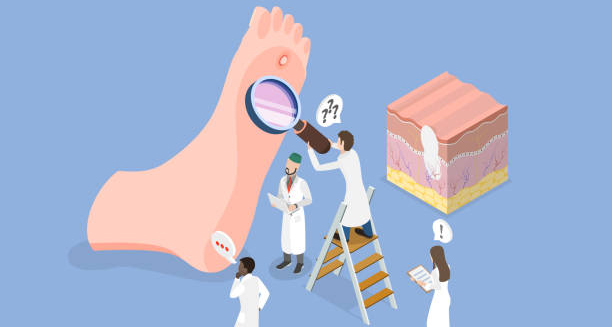
Diagnosis of corns is typically made through a simple clinical examination and patient history. In most cases, the appearance of the skin lesion and its location provide sufficient information for a correct diagnosis. Since corns can sometimes be confused with other foot conditions, such as calluses or plantar warts, an accurate assessment by a healthcare professional ensures proper treatment and avoids unnecessary complications.
Patient History
The clinician will ask about:
Duration of the lesion and whether it has changed in size or appearance
Footwear habits, including the use of tight or high-heeled shoes
Activity level, such as prolonged standing or walking
Previous treatments attempted
Any underlying medical conditions, such as diabetes or arthritis
A complete understanding of the patient’s lifestyle and health helps determine whether the corn is a result of mechanical pressure or a secondary issue.
Physical Examination | Diagnosis of Corns
A visual inspection of the foot is usually sufficient. The healthcare provider will assess:
Location of the lesion
Size and shape
Depth of the hardened tissue
Presence of a central core
Skin condition around the lesion (e.g., redness, cracking, or moisture)
A hard corn presents as a dense, well-defined bump, often over a bony prominence. Soft corns, located between the toes, appear white or grey due to constant moisture and may feel rubbery.
Differential Diagnosis | Diagnosis of Corns
It’s important to distinguish corns from other conditions:
Calluses: Similar in appearance but broader, flatter, and less well-defined. Calluses typically occur on weight-bearing areas like the heels or balls of the feet.
Plantar warts: Caused by a viral infection, warts may have black dots (clotted blood vessels) and cause pain when squeezed from the sides rather than pressed directly.
Foreign bodies: Sometimes a splinter or embedded material can mimic a corn.
If the diagnosis is uncertain or the lesion appears atypical, the doctor may refer the patient to a dermatologist or podiatrist for further evaluation. In rare cases, a skin biopsy might be performed to exclude more serious conditions such as skin cancer or a wart-related growth.
In summary, diagnosis of corns relies heavily on clinical assessment. A thorough examination and medical history ensure accurate identification and guide appropriate treatment.