Mental Matters

Mental Matters

  • Health & Wellness
  • Mental Health
  • Live Better
  • Directory
  • Articles & Guides
  • Advertise
  • Blog
  • Fields
  • Health & Wellness
  • Mental Health
  • Live Better
  • Directory
  • Articles & Guides
  • Advertise
  • Blog
  • Fields
  • Health & Wellness
  • Mental Health
  • Live Better
  • Directory
  • Articles & Guides
  • Advertise
  • Blog
  • Fields
  • Health & Wellness
  • Mental Health
  • Live Better
  • Directory
  • Articles & Guides
  • Advertise
  • Blog
  • Fields

Diagnosis of Craniosynostosis

Paediatric doctor showing an X-ray to a mother and child during a consultation, representing craniosynostosis diagnosis.

Craniosynostosis is diagnosed through physical examination and imaging tests like X-rays or CT scans.

Diagnosis of Craniosynostosis

Diagnosis of craniosynostosis typically begins with a visual and physical assessment of the infant’s skull shape and growth pattern. Since craniosynostosis often presents with noticeable head asymmetry or ridges along the sutures, early detection is often possible during routine check-ups in the first months of life.

Physical Examination

A paediatrician will:

Examine the baby’s head shape and symmetry

Feel for ridges or hardened sutures

Measure head circumference and compare it to age-based growth charts

Assess fontanelles (soft spots) for early closure

The presence of a non-growing or oddly shaped skull, combined with a visible or palpable ridge, often prompts further investigation.

Imaging Tests | Diagnosis of Craniosynostosis

To confirm the diagnosis and assess the extent of the condition, the following imaging tools are used:

X-rays: May show early suture closure or overlapping skull bones

CT scans with 3D reconstruction: The gold standard for confirming craniosynostosis, showing detailed skull structure and fused sutures

MRI: Used if there are concerns about brain development or soft tissue involvement

Genetic Testing

In suspected syndromic cases—where craniosynostosis is accompanied by limb abnormalities, facial differences, or developmental delays—genetic testing may be recommended. This can identify mutations in genes like FGFR2, FGFR3, or TWIST1 and help guide long-term care planning.

Differential Diagnosis

Doctors must distinguish craniosynostosis from other causes of abnormal head shape:

Positional plagiocephaly: Caused by lying in the same position, but sutures remain open

Hydrocephalus: Enlarged head due to fluid build-up

Other cranial malformations or syndromes

Multidisciplinary Involvement

Diagnosis is usually confirmed and managed through a team that may include:

Paediatricians

Neurosurgeons

Craniofacial surgeons

Geneticists

In summary, diagnosis of craniosynostosis is based on clinical examination and imaging. Accurate diagnosis ensures proper treatment planning and helps prevent complications related to increased intracranial pressure or delayed brain development.

[Next: Treatment of Craniosynostosis →]

Craniosynostosis
Symptoms of Craniosynostosis
Complications and Recovery from Craniosynostosis
Causes of Craniosynostosis

Related Posts

Woman coughing and wrapped in a blanket, showing complications of chronic obstructive pulmonary disease.
Chronic Obstructive Pulmonary Disease

Complications and Recovery from Chronic Obstructive Pulmonary Disease

June 13, 2025

Complications and Recovery from Chronic Obstructive Pulmonary Disease Complications and recovery from...

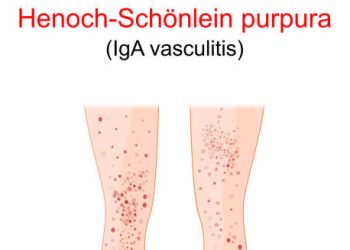
Illustration of Henoch-Schönlein Purpura (IgA vasculitis) with red spots on lower legs
Health Conditions

Henoch-Schönlein Purpura

July 24, 2025

Henoch-Schönlein Purpura Henoch-Schönlein purpura (HSP), also known as IgA vasculitis, is an...

Mental Matters

Facebook Instagram

Your Weekly Dose of Mental Health Support
– Straight to Your Inbox

  • Your journey to better mental health starts here—with expert insights and helpful resources delivered weekly.


© 2025 Mental Matters. All rights reserved. The content on this website is intended for informational purposes only and does not constitute medical advice, diagnosis, or treatment. Please consult a qualified health professional for any medical concerns.

Quick Links

  • Directory

  • Advertise

  • Conditions

  • Real Talk

  • Eating Disorders

  • Depressed

  • Autism

  • Community

  • Resources

About

  • Get In Touch

  • Home

  • Privacy Policy

  • Suicide Prevention Support

  • Terms & Conditions

© 2025 Mental Matters. All rights reserved.

No Result
View All Result
  • Health & Wellness
  • Mental Health
  • Live Better
  • Directory
  • Articles & Guides
  • Advertise
  • Blog
  • Fields

© MENTAL MATTERS 2024