
Diagnosis of Dandruff
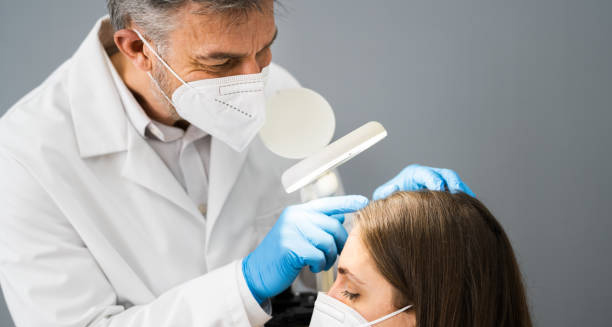
Diagnosis of dandruff is typically straightforward and based on a visual examination of the scalp and symptoms reported by the patient. In most cases, dandruff can be identified without laboratory tests. However, when symptoms are severe, persistent, or resemble other skin disorders, further investigation may be necessary to confirm the diagnosis and rule out similar conditions.
Clinical Evaluation
A GP or dermatologist will usually begin with:
Visual inspection of the scalp for white or yellowish flakes, redness, oiliness, and inflammation
Patient history, including duration of symptoms, known allergies, use of hair products, and personal or family history of skin conditions
Often, the diagnosis can be made confidently based on the presence of flaking and mild scalp irritation alone.
Differential Diagnosis | Diagnosis of Dandruff
Dandruff must be distinguished from other scalp conditions that present similarly:
Seborrhoeic dermatitis: More severe, with greasy scales and redness beyond the scalp
Psoriasis: Characterised by thick, silvery plaques and can involve other areas like elbows, knees, and nails
Tinea capitis (scalp ringworm): A fungal infection often seen in children, which may cause hair loss or black dots on the scalp
Eczema (atopic dermatitis): May also cause dry, flaky scalp in people with a history of allergies or sensitive skin
Contact dermatitis: Caused by reaction to hair dyes or shampoos, usually appearing as redness and inflammation after product use
Additional Tests (When Needed)
In unusual or resistant cases, your doctor may perform:
Skin scraping or biopsy to rule out fungal infections or psoriasis
Fungal culture or KOH test to detect dermatophyte infections like tinea capitis
Patch testing for contact allergies, especially when contact dermatitis is suspected
These tests help clarify the diagnosis and guide more specific treatment.
When to See a Specialist | Diagnosis of Dandruff
Referral to a dermatologist is recommended if:
Symptoms do not improve with over-the-counter shampoos
The scalp shows signs of infection, such as weeping sores or crusting
There is widespread skin involvement beyond the scalp
In summary, diagnosis of dandruff is primarily clinical, with additional testing only required for severe or atypical cases. A correct diagnosis ensures that the underlying cause is properly treated and more serious conditions are not overlooked.
[Next: Treatment of Dandruff →]