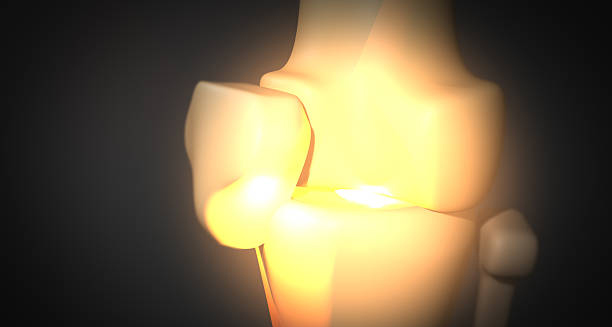

Diagnosis of Dislocated Kneecap
The diagnosis of dislocated kneecap begins with a physical examination and a detailed account of how the injury occurred. Doctors often recognise the condition immediately based on visible signs—such as an obvious misalignment of the kneecap, swelling, and the patient’s inability to straighten or bear weight on the affected leg. However, confirming the full extent of the injury and ruling out associated damage requires further evaluation.
In the early stage of diagnosis of dislocated kneecap, the medical professional may attempt gentle palpation of the knee to assess pain points and determine if the patella is still dislocated. If the kneecap has already returned to position on its own, swelling, bruising, and tenderness may still provide strong clues. Nevertheless, imaging is essential to assess the condition fully.
An X-ray is often the first imaging test performed. It helps confirm the position of the kneecap and check for fractures or loose bone fragments. In some cases, dislocation can cause part of the bone or cartilage to break off—a complication that needs surgical attention. If soft tissue injuries are suspected, such as ligament tears or cartilage damage, an MRI (magnetic resonance imaging) may be ordered for a more detailed view.
In South Africa, access to MRI can vary. While private medical facilities often provide immediate imaging, public hospitals may experience delays due to limited resources. Despite this, timely diagnosis of dislocated kneecap is crucial for effective treatment and to prevent repeat injuries.
Doctors also assess knee stability after the kneecap has been reduced (returned to position). They examine how well the patella moves within its groove and check the strength of surrounding muscles and ligaments. In some cases, additional conditions—like patellar tracking disorder or shallow trochlear grooves—may be identified during this process, which could explain why the dislocation happened.
Diagnosis of Dislocated Kneecap
Children and adolescents may be referred to paediatric orthopaedic specialists, especially if the dislocation affects growth areas or if there’s concern about future instability. Athletes and active individuals might also receive sport-specific assessments to guide rehabilitation and return-to-play decisions.
A complete diagnosis of dislocated kneecap is the foundation for building an effective recovery plan. It not only confirms the injury but also identifies any underlying structural problems that could cause recurrence. Early, accurate diagnosis ensures patients receive appropriate treatment, reducing long-term impact and supporting full return to daily activities or sport.
[Next: Treatment of Dislocated Kneecap →]