
Diagnosis of Eardrum Burst
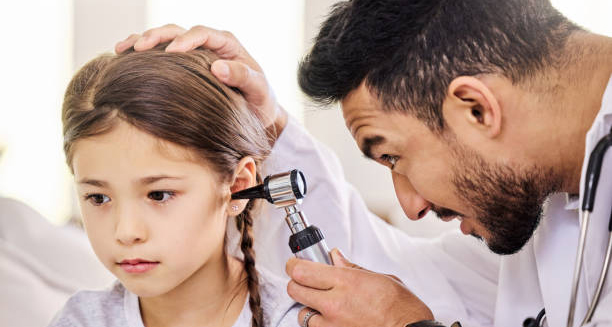
The diagnosis of eardrum burst is usually based on symptoms and confirmed with a visual examination of the ear. A healthcare provider, typically a general practitioner or ENT specialist, uses an otoscope. A lighted instrument with magnification—to inspect the ear canal and eardrum. If an eardrum burst has occurred. The doctor may see a tear or hole in the tympanic membrane, or signs of fluid or blood in the canal.
In many cases, the diagnosis is straightforward, especially when symptoms like ear pain, fluid drainage, and hearing loss are present. However, if the eardrum has already started healing or if the ear canal is blocked with wax or discharge. Visualisation may be more difficult. The canal may need to be gently cleaned before an accurate diagnosis can be made.
Hearing tests are often part of the diagnostic process. An audiogram can assess the degree of hearing loss and help determine if the issue is confined to the middle ear. Tympanometry, a test that measures eardrum movement, may also be used. In cases of eardrum burst, the eardrum may show little or no movement due to the rupture.
If the cause of the rupture is uncertain—such as potential trauma or barotrauma—additional questions may be asked about recent air travel, diving, use of cotton buds, or ear infections. In children, parents or caregivers may be asked to describe behavioural signs such as tugging at the ear, crying, or noticing fluid on the pillow.
In South Africa, the diagnosis of eardrum burst can be complicated in public health settings due to limited access to otoscopes or trained staff, particularly in rural clinics. As a result, many cases are treated symptomatically without a confirmed diagnosis. This can delay appropriate management, especially in children with recurrent infections or hearing loss.
Diagnosis of Eardrum Burst
In more complex or persistent cases, an ENT referral may be necessary. If the eardrum does not heal after several weeks, imaging tests such as a CT scan might be used to evaluate the middle ear structures, especially if cholesteatoma or chronic otitis media is suspected.
Accurate diagnosis of eardrum burst allows for proper monitoring and care. While most perforations heal naturally, untreated or misdiagnosed cases can lead to repeated infections or permanent hearing loss. Early detection ensures better outcomes and helps guide necessary lifestyle changes or follow-up care.
[Next: Treatment of Eardrum Burst →]