
Diagnosis of Ebola Virus Disease
The diagnosis of Ebola virus disease is challenging due to its non-specific early symptoms, which mimic other illnesses common in tropical regions. Fever, weakness, and gastrointestinal issues are shared with conditions such as malaria, typhoid fever, or dengue. Because of this, accurate and prompt laboratory testing is essential in confirming Ebola virus disease.
Healthcare professionals begin by taking a detailed medical history, including recent travel, contact with sick individuals, and any exposure to known Ebola cases or funerals in affected areas. If the patient meets certain risk criteria and shows compatible symptoms, they are treated as a suspected case until test results confirm or rule out the disease.
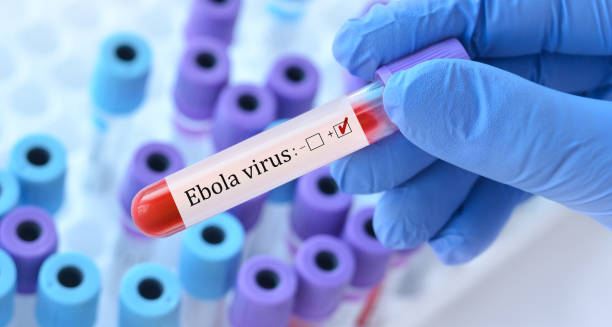
Diagnosis is made through laboratory tests on blood or tissue samples. The most common and reliable method is RT-PCR (reverse transcriptase polymerase chain reaction), which detects viral RNA. This test can confirm the presence of the Ebola virus within a few hours, depending on the laboratory setup.
Other diagnostic methods include:
Antigen-capture enzyme-linked immunosorbent assay (ELISA)
IgM and IgG antibody tests (used in later stages or in survivors)
Virus isolation in high-containment labs (mainly for research)
All testing must be done in biosafety level 4 (BSL-4) laboratories due to the high risk of infection. In outbreak zones, mobile labs are sometimes deployed to bring testing closer to affected communities, reducing delays in diagnosis.
Diagnosis of Ebola Virus Disease
In South Africa, suspected Ebola cases are managed with extreme caution. The National Institute for Communicable Diseases (NICD) oversees Ebola preparedness and has protocols in place for isolating suspected cases and transporting samples for testing. South African healthcare workers are trained to use full personal protective equipment (PPE) and follow strict infection control guidelines.
During outbreaks, diagnosis also includes contact tracing. Anyone who has had close contact with an infected individual is monitored for 21 days—the virus’s maximum incubation period. Identifying and monitoring contacts is a critical part of controlling further transmission.
Accurate diagnosis of Ebola virus disease saves lives. It allows for immediate isolation of infected patients, protection of healthcare workers, and targeted public health interventions. Without confirmation, outbreaks can spiral quickly, overwhelming fragile healthcare systems and spreading panic.
[Next: Treatment of Ebola Virus Disease →]