
Diagnosis of Endocarditis
The diagnosis of endocarditis involves combining a careful review of symptoms, physical examination, blood tests, and imaging studies. Because endocarditis may present with vague symptoms, early diagnosis can be difficult. However, identifying it quickly is critical for preventing complications and saving lives.
Diagnosis of Endocarditis
Doctors start by taking a full medical history and asking about:
Pre-existing heart conditions
Recent dental procedures or infections
Use of intravenous drugs
History of valve surgery or implanted medical devices
A physical exam may reveal:
A new or changed heart murmur
Skin changes like petechiae, splinter haemorrhages, or Osler’s nodes
Signs of heart failure or embolic complications (e.g. stroke symptoms)
Blood Tests
Blood cultures are the cornerstone of diagnosis. At least three separate blood samples are collected to check for bacteria or fungi in the bloodstream. Identifying the organism helps determine the best treatment.
Other blood tests may include:
Full blood count (often shows anaemia or raised white cells)
C-reactive protein (CRP) and erythrocyte sedimentation rate (ESR), which indicate inflammation
Kidney function tests and urinalysis
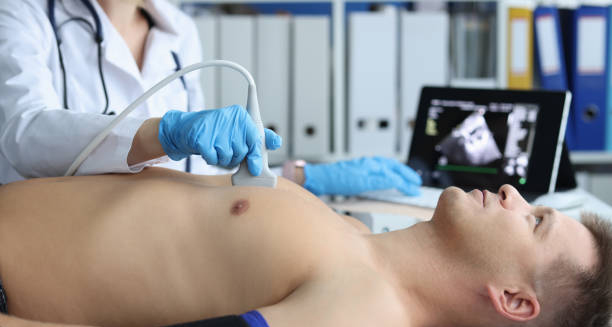
Echocardiography
This imaging test checks the heart’s structure and function:
Transthoracic echocardiogram (TTE) – a non-invasive test done through the chest wall
Transoesophageal echocardiogram (TOE/TEE) – more sensitive, using a probe inserted into the oesophagus to give a clearer view of the heart valves
An echocardiogram may reveal vegetations (clumps of bacteria and tissue), valve damage. Additionally, abscesses—clear signs of endocarditis.
Other Investigations
ECG (electrocardiogram) to check for rhythm problems
Chest X-ray to look for fluid in the lungs or heart enlargement
MRI or CT scan if embolic complications (like stroke or kidney infarction) are suspected
In South Africa, delays in access to echocardiography and blood cultures can delay diagnosis. Furthermore, where advanced imaging is unavailable, clinical judgement and blood tests become even more crucial.
Doctors use the modified Duke criteria, a standard diagnostic tool that combines clinical signs, blood culture results, and echocardiogram findings to confirm or rule out endocarditis.
The diagnosis of endocarditis requires careful testing and urgent attention. Furthermore, early identification improves outcomes and allows treatment before complications become severe or irreversible.
[Next: Treatment of Endocarditis →]