Mental Matters

Mental Matters

  • Health & Wellness
  • Mental Health
  • Live Better
  • Directory
  • Articles & Guides
  • Advertise
  • Blog
  • Fields
  • Health & Wellness
  • Mental Health
  • Live Better
  • Directory
  • Articles & Guides
  • Advertise
  • Blog
  • Fields
  • Health & Wellness
  • Mental Health
  • Live Better
  • Directory
  • Articles & Guides
  • Advertise
  • Blog
  • Fields
  • Health & Wellness
  • Mental Health
  • Live Better
  • Directory
  • Articles & Guides
  • Advertise
  • Blog
  • Fields

Diagnosis of Epididymitis

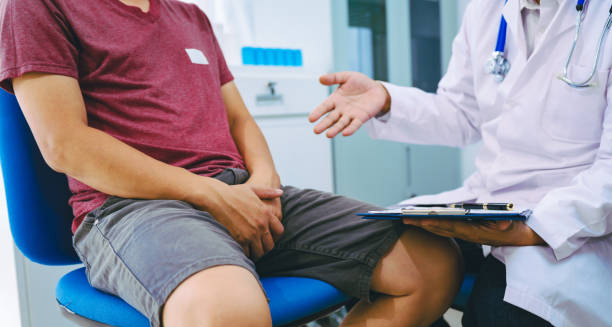
Man consulting with urologist about groin pain, indicating possible epididymitis

A patient discusses testicular pain with a doctor, illustrating the clinical diagnosis process for epididymitis

Diagnosis of Epididymitis

The diagnosis of epididymitis is usually based on a physical examination, patient history, and laboratory tests. Because epididymitis can mimic other serious conditions—such as testicular torsion—accurate and timely diagnosis is crucial, especially in younger patients.

Medical History and Symptom Review

Doctors begin by asking about:

The onset and duration of pain

Urinary symptoms, such as burning or frequency

Any discharge from the penis

Recent sexual activity or known STI exposure

History of urinary tract infections, catheter use, or trauma

This information helps narrow down the likely cause—whether it’s an STI, UTI, or a non-infectious trigger.

Physical Examination

During the exam, the doctor will:

Check for swelling, tenderness, and warmth in the scrotum

Examine both testicles and the epididymis

Assess for signs of inflammation or discharge

Rule out testicular torsion, a condition where the spermatic cord twists and cuts off blood supply—a surgical emergency that requires immediate attention

The Prehn’s sign may be used: lifting the scrotum slightly relieves pain in epididymitis but not in testicular torsion. However, this test alone is not always reliable.

Urine and Swab Tests

Urinalysis – Detects white blood cells, bacteria, or blood in the urine

Urine culture – Identifies the bacteria causing infection

NAAT (nucleic acid amplification tests) – Detect chlamydia and gonorrhoea

Urethral swab – In cases of discharge, swabs help identify the STI organism

These tests help guide antibiotic selection and confirm whether the infection is sexually transmitted or related to a urinary cause.

Blood Tests | Diagnosis of Epididymitis

A full blood count (FBC) may reveal elevated white cells, indicating infection. CRP or ESR levels can also confirm inflammation.

Scrotal Ultrasound

Ultrasound with Doppler imaging is the most reliable test to confirm epididymitis and rule out torsion. It shows:

Blood flow to the testicles

Swelling of the epididymis

Fluid build-up around the testicles (hydrocele)

In South Africa, access to ultrasound may be limited in rural clinics, causing delays in diagnosis. In such cases, clinical assessment becomes even more important.

The diagnosis of epididymitis should be made quickly and confidently. Early treatment prevents complications and offers rapid symptom relief.

[Next: Treatment of Epididymitis →]

Diagnosis and Testing for Bladder Stones
Chlamydia
Bacterial Vaginosis Complications
Dr Deborah Williams Sexual Health Brighton
Complications of Epididymitis

Related Posts

Various colourful capsules and medications arranged in compartments, representing pharmaceutical treatment options.
Cyclical Vomiting Syndrome

Treatment of Cyclical Vomiting Syndrome

June 17, 2025

Treatment of Cyclical Vomiting Syndrome Treatment of cyclical vomiting syndrome involves both...

Applying cream to insect bites on a child's hand
Health Conditions

Treatment of Insect Bites

August 5, 2025

The treatment of insect bites involves a combination of relieving symptoms, preventing...

Mental Matters

Facebook Instagram

Your Weekly Dose of Mental Health Support
– Straight to Your Inbox

  • Your journey to better mental health starts here—with expert insights and helpful resources delivered weekly.


© 2025 Mental Matters. All rights reserved. The content on this website is intended for informational purposes only and does not constitute medical advice, diagnosis, or treatment. Please consult a qualified health professional for any medical concerns.

Quick Links

  • Directory

  • Advertise

  • Conditions

  • Real Talk

  • Eating Disorders

  • Depressed

  • Autism

  • Community

  • Resources

About

  • Get In Touch

  • Home

  • Privacy Policy

  • Suicide Prevention Support

  • Terms & Conditions

© 2025 Mental Matters. All rights reserved.

No Result
View All Result
  • Health & Wellness
  • Mental Health
  • Live Better
  • Directory
  • Articles & Guides
  • Advertise
  • Blog
  • Fields

© MENTAL MATTERS 2024