
Diagnosis of Erythromelalgia
The diagnosis of erythromelalgia is based largely on symptoms and patient history. Since there are no specific blood tests or scans to confirm erythromelalgia. The condition is considered a clinical diagnosis—meaning doctors identify it based on what the patient describes and what is observed during a flare.
Patient History
Doctors will ask about:
The nature and location of pain
Colour and temperature changes in the skin
How symptoms start, how long they last, and what makes them better or worse
Whether symptoms are triggered by heat or relieved by cooling
Any underlying conditions like autoimmune disease, diabetes, or blood disorders
A history of repeated, painful redness in the hands or feet that worsens with heat and improves with cooling is highly suggestive of erythromelalgia.
Physical Examination
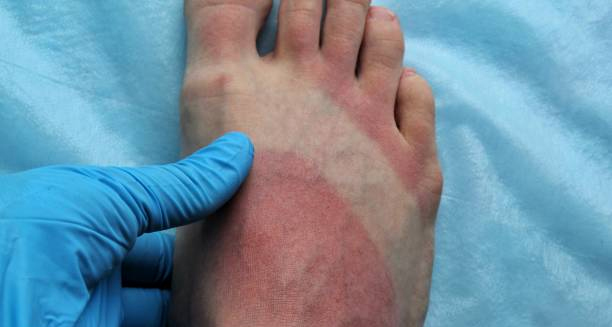
During an active flare, doctors may observe:
Redness or a purplish rash
Increased warmth of the skin
Swelling
Visible blood vessel changes
When symptoms are not active, the skin may appear normal, making diagnosis more difficult. If needed, doctors may ask patients to keep a symptom diary or bring photographs of flare-ups.
Blood and Laboratory Tests
While there is no definitive blood test for erythromelalgia, several tests can help rule out underlying causes:
Full blood count (FBC) – To check for polycythaemia vera or other myeloproliferative disorders
Erythropoietin levels – To assess for secondary erythrocytosis
Autoimmune markers – Including ANA and rheumatoid factor
Blood glucose – To assess for diabetes-related neuropathy
Thyroid function tests – To exclude thyroid dysfunction
Nerve and Skin Testing
If nerve involvement is suspected:
Skin biopsy – May show small fibre neuropathy in some patients
Quantitative sensory testing – Measures nerve response to stimuli
Electromyography (EMG) and nerve conduction studies – Typically normal but may help exclude other conditions
Differential Diagnosis
Doctors must distinguish erythromelalgia from similar conditions:
Raynaud’s phenomenon (which is cold-induced, not heat-triggered)
Cellulitis or skin infection
Complex regional pain syndrome (CRPS)
Vasculitis or other vascular disorders
Chilblains or pernio (cold-related vascular condition)
Diagnosis of Erythromelalgia In South Africa
In South Africa, diagnosis may be delayed due to low awareness and limited access to neurologists or dermatologists. Many patients are misdiagnosed with infections or allergic reactions. Telemedicine, symptom tracking apps, and patient support groups could improve recognition.
The diagnosis of erythromelalgia requires a combination of careful history-taking, exclusion of other causes, and a high level of clinical awareness. Early recognition leads to better symptom control and prevents unnecessary testing or treatment.
[Next: Treatment of Erythromelalgia →]