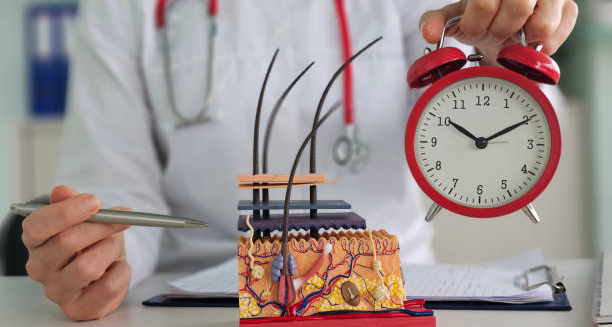

Diagnosis of Excessive Sweating
The diagnosis of excessive sweating focuses on identifying whether the condition is primary or secondary in nature. Since excessive sweating can have a wide range of causes—from overactive sweat glands to serious medical issues—thorough assessment is essential for effective treatment.
Medical History
Doctors begin by asking detailed questions about:
When the sweating started
Where it occurs (palms, feet, underarms, entire body)
How often and how long episodes last
Whether it happens during sleep
Family history of similar symptoms
Triggers such as heat, stress, or exercise
Associated symptoms, such as weight loss, fatigue, or fever
Sweating that starts in adolescence, is localised, and doesn’t happen during sleep typically points to primary hyperhidrosis. Generalised or night-time sweating is more likely to be secondary.
Physical Examination
A doctor will examine the affected areas for:
Skin breakdown
Signs of infection
Damp patches or active sweating during the exam
They may also check blood pressure, heart rate, and the thyroid gland.
Diagnostic Tests
Although primary hyperhidrosis is often diagnosed without tests, further evaluation may include:
1. Blood and Hormone Tests
Thyroid function tests, to check for overactive thyroid
Blood glucose levels, to rule out diabetes
Infection screening, especially for tuberculosis or HIV
Hormone levels, including cortisol and sex hormones in specific cases
Full blood count, to detect signs of anaemia, infection, or malignancy
2. Imaging
If secondary causes are suspected:
Chest X-ray, for TB, lung disease, or lymphoma
CT or MRI scans, in cases of unexplained systemic symptoms
3. Sweat Testing (Thermoregulatory Tests)
In specialist centres, tests like:
Starch-iodine test – Highlights areas of sweat overproduction
Gravimetric test – Measures the actual amount of sweat produced
These are mainly used for diagnostic confirmation or before surgery.
Classification
Excessive sweating is classified by severity:
Mild – Inconvenient but manageable
Moderate – Interferes with daily activities
Severe – Disrupts work, social life, or mental health
This classification helps guide treatment options.
Diagnosis of Excessive Sweating In South Africa
In South Africa, sweat testing is rarely performed in public hospitals. Diagnosis usually relies on history and examination. Primary care clinics may refer complex or treatment-resistant cases to dermatologists or endocrinologists.
The diagnosis of excessive sweating is straightforward when symptoms are clearly described. Pinpointing the cause allows for faster relief and more effective long-term management.
[Next: Treatment of Excessive Sweating →]