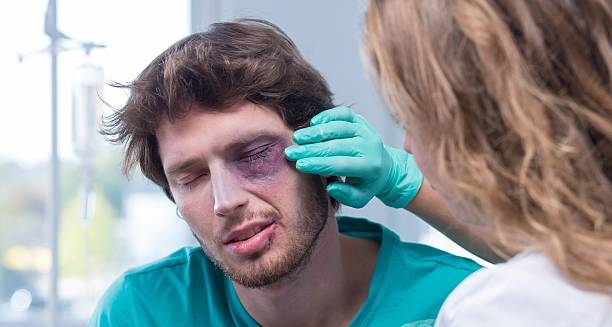

Diagnosis of Eye Injuries
The diagnosis of eye injuries begins with a detailed history and clinical examination. Because eye injuries can range from mild surface irritation to life-threatening trauma, early and accurate assessment is essential. Misdiagnosis or delay can lead to long-term complications, including vision loss.
Initial Evaluation
Doctors first ask about:
How and when the injury occurred
What object or substance caused it
Whether vision changed immediately after the incident
Presence of pain, discharge, or swelling
Any previous eye conditions or use of contact lenses
This information helps determine if the injury is likely blunt, penetrating, chemical, or foreign-body related.
Visual Acuity Test
A standard eye chart test checks how well the person can see in each eye. Any significant drop in vision may indicate internal damage and warrants further investigation.
Physical Examination
A thorough examination includes:
External inspection of the eyelids and surrounding tissue for bruising, cuts, or swelling
Slit lamp examination, using magnification and light to check the cornea, iris, and anterior chamber
Pupil reactivity, to assess for neurological or structural damage
Eye movement testing, to detect muscle injury or nerve damage
Any difficulty moving the eye may suggest orbital fracture or nerve involvement.
Special Tests
1. Fluorescein Staining
A special dye is applied to highlight corneal abrasions or foreign bodies
Viewed under blue light, scratches or defects glow green
2. Tonometry
Measures intraocular pressure, useful in trauma cases where glaucoma or bleeding is suspected
3. Ocular Ultrasound
Performed when the eye cannot be opened or if internal bleeding blocks visualisation
Useful for detecting retinal detachment, vitreous haemorrhage, or foreign objects
4. X-rays or CT Scans
Recommended if orbital fractures, embedded foreign bodies, or deep trauma are suspected
CT scans are especially helpful for evaluating penetrating injuries or assessing damage behind the eye
When to Refer | Diagnosis of Eye Injuries
Referral to an ophthalmologist is necessary for:
Chemical burns
Penetrating trauma
Intraocular foreign bodies
Persistent vision loss
Suspected retinal or optic nerve damage
The diagnosis of eye injuries must be handled with care. Thorough assessment ensures prompt, appropriate treatment and minimises long-term risk.
[Next: Treatment of Eye Injuries →]