Diagnosis of Gilbert’s Syndrome
The diagnosis of Gilbert’s syndrome is typically straightforward and non-invasive. Because Gilbert’s syndrome causes a harmless but noticeable increase in unconjugated bilirubin levels. Therefore, doctors often discover it by chance. Furthermore, doctors usually finds it during routine blood tests. Once doctors exclude other causes of jaundice, they can focus on diagnosing the underlying liver or biliary condition. Doctors can usually confirm the diagnosis within a few targeted assessments.
Doctors diagnose most people in their teens or early adulthood. Furthermore, often during medical exams for employment, sports, or unrelated symptoms.
Initial Suspicion
Doctors may suspect Gilbert’s syndrome in patients who:
Are otherwise healthy but show elevated bilirubin levels
Experience intermittent jaundice triggered by fasting, stress, or illness
Have normal liver function test results (aside from bilirubin)
Show no signs of liver inflammation or damage
In these cases, doctors perform further testing to confirm that the elevated bilirubin is unconjugated and not due to liver or bile duct disease.
Blood Tests
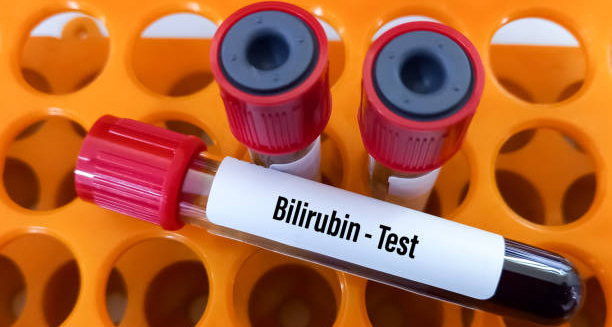
Blood tests are the cornerstone of diagnosis. Key indicators include:
1. Serum Bilirubin Levels
Total bilirubin is elevated (usually 17–100 µmol/L)
Predominantly unconjugated (indirect) bilirubin is raised
Levels may fluctuate with fasting, stress, or infection
2. Liver Function Tests (LFTs)
ALT, AST, ALP, and GGT are all normal, ruling out hepatitis or liver damage
Albumin and prothrombin time are also within normal limits
A normal liver profile with isolated unconjugated hyperbilirubinaemia is highly suggestive of Gilbert’s syndrome.
Fasting or Provocation Tests
In some cases, doctors may use a fasting test or a nicotinic acid challenge to confirm the diagnosis:
Fasting for 24–48 hours may cause bilirubin levels to rise
Doctors rarely perform these tests now because they are uncomfortable and unnecessary in most cases
Modern diagnosis relies more on pattern recognition than provocative testing.
Genetic Testing
Genetic testing for the UGT1A1 mutation can confirm the diagnosis definitively. However:
It is not routinely required unless diagnosis is uncertain
Doctors may use this test for patients undergoing chemotherapy or antiviral treatment, where monitoring bilirubin metabolism is critical
The most common mutation involves the UGT1A1*28 allele, which results in reduced transcription of the enzyme responsible for bilirubin conjugation.
Differential Diagnosis
Before confirming Gilbert’s syndrome, doctors must exclude other conditions that cause elevated bilirubin, such as:
Haemolytic anaemia (excessive red blood cell breakdown)
Hepatitis or liver disease
Biliary obstruction
Crigler-Najjar syndrome (a rare, more severe inherited condition)
These conditions are usually accompanied by abnormal liver function tests or additional symptoms such as fatigue, dark urine, or pale stools.
Imaging and Further Tests
Doctors typically do not order imaging tests like ultrasound or CT scans unless they suspect other liver abnormalities. Gilbert’s syndrome does not cause structural changes in the liver or bile ducts.
Further testing may include:
Full blood count (to rule out anaemia)
Reticulocyte count (to assess red blood cell turnover)
Lactate dehydrogenase (LDH) and haptoglobin (to exclude haemolysis)
These tests help confirm that the liver is functioning normally and that the elevated bilirubin is isolated.
Communicating the Diagnosis
One of the most important aspects of diagnosis is patient education. Individuals should be reassured that:
The condition is completely benign
There is no risk of progression to liver disease
No ongoing treatment or restriction is required
Recognising triggers can help manage visible symptoms
Providing a written explanation or including the diagnosis in medical records can help avoid unnecessary investigations in the future.
When to Refer to a Specialist
Referral to a hepatologist or gastroenterologist is rarely necessary unless:
Liver enzymes are abnormal
Jaundice is persistent or unexplained
Additional symptoms suggest another underlying condition
In most cases, the diagnosis is managed entirely in primary care with simple testing and reassurance.
Conclusion | Diagnosis of Gilbert’s Syndrome
The diagnosis of Gilbert’s syndrome is based on a clear clinical pattern supported by blood tests. Once doctors rule out other causes of jaundice, they usually do not need to take further action. Timely diagnosis avoids unnecessary worry, reduces unnecessary investigations, and empowers individuals to manage the condition with confidence.