
Diagnosis of Haemochromatosis
The diagnosis of haemochromatosis begins with a suspicion based on symptoms, family history, or abnormal blood tests. Given that early symptoms are non-specific, the diagnosis of haemochromatosis often occurs incidentally during routine checks. Confirming the condition involves a combination of blood tests, genetic testing, and sometimes imaging or a liver biopsy.
Haemochromatosis is the most common inherited condition among people of Northern European background. It usually follows an autosomal recessive pattern, which means a person must inherit a faulty gene from both parents to develop the disease.
Because symptoms can be mild or appear slowly over time, many people don’t know they have it. However, if the condition is not found early, extra iron can build up in the body and damage organs like the liver, heart, and pancreas.
That’s why early diagnosis is so important. With regular blood tests and treatment, most people can avoid serious health problems and live full, healthy lives.
Initial Blood Tests
The first step in diagnosis involves measuring iron levels in the blood through two key markers:
1. Serum Ferritin
Measures iron storage in the body
Elevated in most people with haemochromatosis
Can also be raised due to inflammation, liver disease, or cancer, so not entirely specific
2. Transferrin Saturation
Indicates how much iron is bound to the transport protein transferrin
A level above 45% is suggestive of iron overload
Usually the most sensitive early indicator
These two tests are often ordered together, and persistent abnormalities prompt further investigation.
Genetic Testing
If blood tests suggest iron overload, genetic testing is used to confirm the diagnosis. The test checks for mutations in the HFE gene, particularly:
C282Y mutation (most common and significant)
H63D mutation (less severe impact)
Diagnosis is generally confirmed in individuals who are homozygous for C282Y (i.e. carry two copies of the gene mutation). Those with compound heterozygosity (one C282Y and one H63D mutation) may also show signs of iron overload, though usually less severe.
Family Screening
Once a diagnosis is confirmed, close family members are often advised to undergo:
Genetic testing
Iron studies
This helps detect undiagnosed cases early and prevents long-term complications in other relatives.
Additional Blood Work
Other tests are used to assess the extent of organ involvement:
Liver function tests (ALT, AST, GGT)
Fasting glucose or HbA1c to check for diabetes
Hormonal panels (testosterone, oestradiol, TSH, cortisol)
Full blood count to exclude anaemia or other disorders
These tests help tailor treatment and assess whether further imaging or referral is needed.
Imaging Studies
To assess liver damage, doctors may recommend imaging:
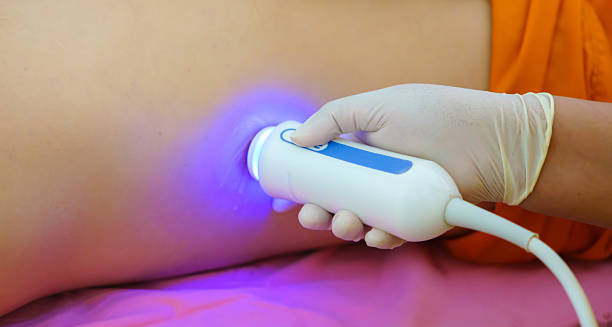
Ultrasound: Detects liver enlargement, nodules, or fatty changes
MRI with T2-weighted imaging: Measures iron concentration in the liver and heart without the need for biopsy
Elastography (FibroScan): Non-invasive test to assess liver stiffness, indicating fibrosis or cirrhosis
MRI is particularly valuable for monitoring patients and may also detect iron in other organs like the pancreas or heart.
Liver Biopsy (In Select Cases)
In some instances, a liver biopsy may be recommended:
- If the diagnosis is uncertain
- If liver damage is suspected despite normal imaging
- If liver enzymes are persistently elevated
The biopsy allows for direct measurement of hepatic iron concentration and assessment of fibrosis or cirrhosis. However, this is now less commonly performed thanks to advanced imaging and genetic testing.
Diagnostic Criteria
| Test | Diagnostic Relevance |
| Transferrin Saturation > 45% | Suggests iron overload |
| Elevated Ferritin | Supports diagnosis but not specific |
| Homozygous C282Y Mutation | Confirms genetic haemochromatosis |
| MRI or Biopsy | Evaluates extent of iron deposition and organ damage |
Differential Diagnosis
Other conditions that may mimic or influence iron levels include:
Alcohol-related liver disease
Chronic viral hepatitis
Inflammatory conditions
Metabolic syndrome
Iron-loading anaemias like thalassaemia
Therefore, accurate diagnosis depends on combining lab values, genetic results, and clinical history.
Importance of Early Diagnosis
When caught early, haemochromatosis is entirely manageable through regular blood removal (phlebotomy). Early diagnosis prevents complications such as:
Liver cirrhosis
Diabetes
Heart failure
Arthritis
Delays in diagnosis may result in irreversible organ damage and a higher risk of liver cancer, particularly in men over 50.
Conclusion | Diagnosis of Haemochromatosis
The diagnosis of haemochromatosis usually begins with blood tests that measure iron levels in the body. If these tests show high levels of iron or ferritin, doctors may follow up with genetic testing to confirm the condition. In some cases, imaging scans or a liver biopsy may be used to check for organ damage.
Thanks to greater awareness and easier access to genetic testing, more people are now being diagnosed early—often before serious problems develop. This makes a big difference because early treatment is simple but very effective.
When haemochromatosis is caught in time, regular treatment can remove the extra iron and prevent long-term damage. As a result, people with the condition can stay healthy and avoid serious complications.