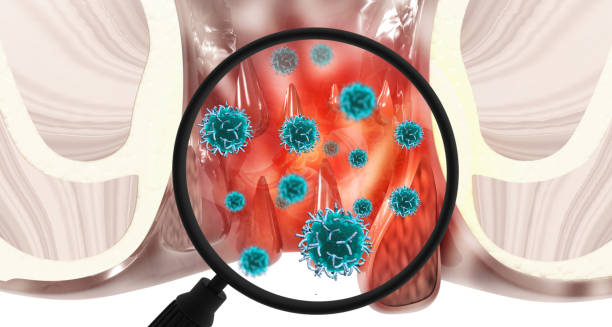

Diagnosis of Haemorrhoids
Timely and accurate diagnosis of haemorrhoids is essential for effective treatment and relief. A proper diagnosis of haemorrhoids ensures appropriate medical intervention. Furthermore, rules out more serious conditions that may present with similar symptoms, such as colorectal cancer, polyps, or anal fissures. The diagnostic process typically begins with a comprehensive patient history, followed by a physical examination and, if necessary, additional diagnostic procedures.
Clinicians start by asking patients about their symptoms, including rectal bleeding, pain, itching, swelling, or the presence of lumps. Understanding bowel habits, dietary intake, family medical history, and any use of medications such as anticoagulants is also important to rule out other possible causes and to form a complete clinical picture.
The next step is a visual and physical examination of the anal area. External haemorrhoids are usually visible and can often be identified by their location, size, colour, and texture. The doctor may also perform a digital rectal examination (DRE) to assess internal haemorrhoids, using a gloved, lubricated finger to feel for any abnormalities, tenderness, or internal bulges.
Diagnosis of Haemorrhoids
Anoscopy is commonly used to inspect internal haemorrhoids. This procedure involves inserting a short, hollow tube with a light (anoscope) into the anal canal, allowing direct visualisation of the lower rectum. Anoscopy is particularly helpful in detecting bleeding internal haemorrhoids and determining the degree of prolapse.
In cases where symptoms suggest a higher or more complex pathology—especially if the patient is over 50 years old or has a family history of colorectal disease—a flexible sigmoidoscopy or full colonoscopy may be recommended. These procedures enable detailed examination of the rectum and colon, helping identify other potential sources of bleeding or discomfort. A colonoscopy, though more invasive, provides the most comprehensive evaluation and is often used when symptoms are chronic or concerning.
Laboratory tests are not always necessary for diagnosing haemorrhoids, but they may be conducted to assess haemoglobin levels if significant bleeding is present. Low haemoglobin can indicate anaemia caused by chronic blood loss. Stool tests may also be used to rule out infections or gastrointestinal bleeding from other sources.
Diagnosis of Haemorrhoids
Overall, a methodical and thorough diagnosis of haemorrhoids not only provides clarity but also helps shape an effective treatment plan. Early detection can reduce symptom severity, prevent complications, and improve quality of life. Following diagnosis, patients can begin appropriate medical or surgical treatment and make lifestyle adjustments to address underlying causes.