
Diagnosis of Hair Dye Reactions
Proper diagnosis of hair dye reactions is crucial for initiating appropriate treatment and avoiding further complications. The diagnosis of hair dye reactions often involves a combination of clinical evaluation, medical history, and, in some cases, dermatological testing to confirm the cause and severity of the response.
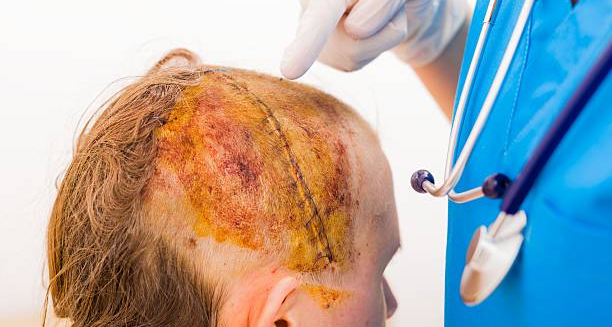
A healthcare provider will begin by examining the affected area, looking for signs such as redness, swelling, blisters, or scaling skin. They will also ask questions about recent hair dye use, the specific brand and formulation, how long the product was in contact with the skin, and any past reactions to cosmetics or personal care products. This history can often pinpoint the likely trigger, particularly if symptoms appear within 24 to 72 hours of application.
In cases of suspected allergic contact dermatitis, a patch test may be performed. This test involves applying small amounts of various allergens, including common hair dye chemicals like PPD, to the skin under adhesive patches. Patients usually wear the patches for 48 hours. Then, doctors check the skin at different times to see if a delayed allergic reaction happens. This method is highly effective for confirming an allergy to PPD or other ingredients.
If symptoms are very bad or affect the whole body—like trouble breathing, widespread hives, or swelling of the face and throat—people need to get emergency help right away
Diagnosis of Hair Dye Reactions
In cases where irritant contact dermatitis is suspected rather than an allergic response, diagnosis is usually based on exclusion. Unlike allergic reactions, irritant responses typically occur quickly after exposure. Furthermore, this may affect everyone exposed to a high enough concentration, not just those with immune sensitivity.
Accurate diagnosis of hair dye reactions enables healthcare providers to recommend appropriate treatments and guide future avoidance strategies. It also informs product labelling and helps consumers identify which ingredients to avoid moving forward.