
Diagnosis of Head Lice
Accurate diagnosis of head lice is essential for confirming active infestations and distinguishing lice from other scalp conditions. A timely diagnosis of head lice allows for appropriate treatment and helps prevent further spread within families, schools, and communities.
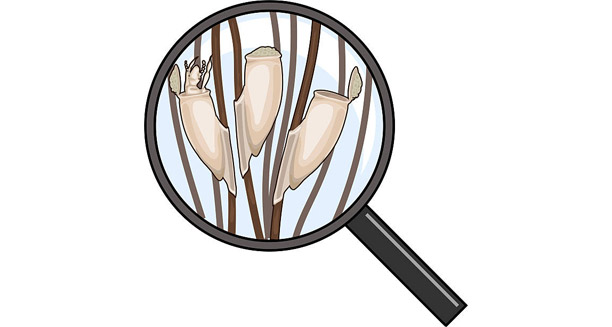
The most effective diagnostic method is a thorough visual examination of the scalp and hair, particularly behind the ears and at the nape of the neck—areas where lice are most commonly found. While adult lice are small and move quickly, making them difficult to detect, nits (lice eggs) are easier to identify. Nits appear as tiny white or yellowish oval-shaped specks firmly attached to hair shafts, typically within 6 millimetres of the scalp. They are often mistaken for dandruff or hair product residue, but unlike dandruff, nits cannot be brushed away easily.
A fine-toothed louse comb is a highly effective tool for diagnosis. Using the comb on wet, conditioned hair slows down lice movement and makes them easier to remove and identify. Combing should be done in good lighting, and the comb should be wiped on a white tissue or cloth after each stroke to check for lice or nits. This method not only helps detect live lice but also provides an opportunity to monitor treatment progress.
Diagnosis of Head Lice
Sometimes, false positives occur when old, empty nits or hair debris are misidentified as signs of active infestation. Nits located more than a centimetre from the scalp are typically non-viable, as lice eggs need warmth from the scalp to hatch. Hence, the presence of such nits alone should not be used to determine the need for treatment.
In uncertain cases, a healthcare professional can assist with diagnosis. Microscopic examination of hair samples may be used in clinical settings to confirm the presence of lice or eggs. However, this is rarely necessary outside of special circumstances or research contexts.
It is important to differentiate head lice from other scalp conditions such as dandruff, seborrhoeic dermatitis, or psoriasis, which can also cause itching and flaking. Misdiagnosis can lead to unnecessary treatment, cost, and distress.
Diagnosis of Head Lice
Routine head checks, especially in children who have been exposed to confirmed cases, can help with early detection. Parents, teachers, and healthcare providers should collaborate to ensure checks are carried out sensitively and respectfully to avoid embarrassment or stigma.
In conclusion, the diagnosis of head lice is a straightforward but crucial step in managing infestations effectively. Early and accurate identification prevents transmission, reduces social stigma, and ensures that treatment is both timely and appropriate.
[Next: Symptoms of Head Lice →]

