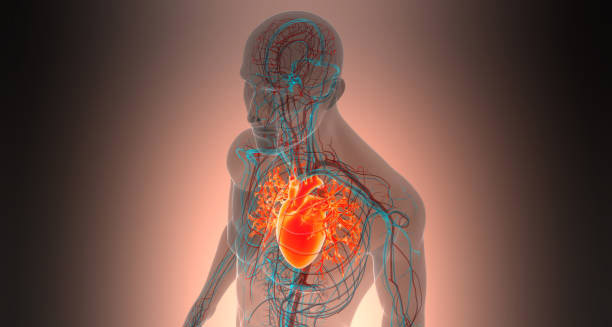

Diagnosis of Heart Attack
Accurate diagnosis of heart attack is critical for initiating timely treatment, preventing complications, and improving survival. The diagnosis of heart attack involves a combination of clinical evaluation, electrocardiography, blood testing, and imaging. Early identification allows healthcare providers to quickly restore blood flow to the affected heart muscle, minimising permanent damage.
The process begins with a detailed clinical assessment. Doctors evaluate the patient’s symptoms, medical history, and risk factors such as high blood pressure, smoking, or diabetes. Typical signs of a heart attack include chest discomfort, radiating pain, shortness of breath, and sweating. However, symptoms can be atypical—especially in women, the elderly, or those with diabetes—highlighting the importance of clinical experience and suspicion.
The electrocardiogram (ECG or EKG) is the first and most essential diagnostic tool. It measures the electrical activity of the heart and helps identify patterns indicative of myocardial infarction. ST-segment elevation on the ECG often points to a more severe type of heart attack known as STEMI (ST-Elevation Myocardial Infarction). Non-ST elevation changes, or NSTEMI, may also suggest a heart attack but require additional confirmation.
Diagnosis of Heart Attack
Blood tests play an important role in heart attack care. When heart muscle cells get damaged, they release certain proteins into the blood. The most common proteins doctors check are cardiac troponins (troponin I and T). These proteins show up only when the heart muscle is hurt. High levels help doctors confirm a heart attack and see how bad it is or if it’s getting better.
Sometimes, doctors use extra imaging tests. For example, an echocardiogram shows the heart pumping in real time. It helps find parts of the heart that don’t move well because of damage. Another test, called coronary angiography, uses a thin tube (catheter) to look at blocked arteries and guide treatments like stents or angioplasty.
Doctors also use chest X-rays to rule out other problems like pneumonia or heart failure. Stress tests or CT coronary angiograms usually happen later during follow-up, not during the emergency.
Doctors must also quickly rule out other serious conditions that look like a heart attack. These include blood clots in the lungs (pulmonary embolism), tears in the aorta (aortic dissection), or inflammation around the heart (pericarditis). Emergency staff train to tell these apart fast, so patients get the right treatment.
Diagnosing a Heart Attack
To sum up, doctors diagnose heart attacks by spotting symptoms early, checking with ECG and blood tests, and using images to see how much damage happened. Acting fast and accurately helps lower risks and saves lives.