
Diagnosis of Heat Exhaustion
The diagnosis of heat exhaustion is primarily clinical. Based on recognising the signs and symptoms in individuals exposed to high temperatures or strenuous activity. Since heat exhaustion can rapidly progress to life-threatening heatstroke. Timely and accurate diagnosis of heat exhaustion is crucial for prompt treatment and prevention of serious complications. Health professionals rely on a combination of patient history, physical examination, and observation of core symptoms to identify the condition and differentiate it from other heat-related or medical issues.
The process begins with an assessment of the person’s recent activities and environment. Key questions include whether the individual has been exposed to a hot or humid climate. Whether they’ve participated in physical exertion (such as exercise, labour, or outdoor activity), and whether they’ve had adequate fluid intake. It’s also important to determine the person’s age, medical history, and current medications, as these can increase vulnerability and affect the body’s heat regulation mechanisms.
Physical Examination
During the physical examination, several hallmark signs help confirm the diagnosis of heat exhaustion. These may include:
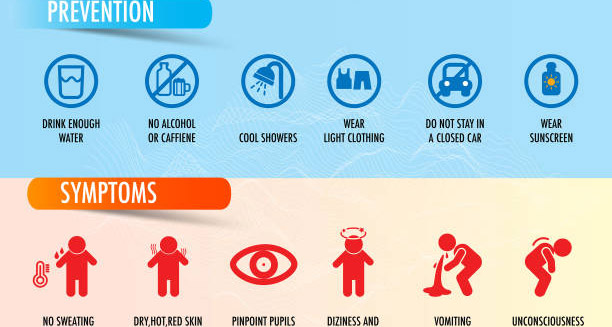
Heavy sweating: A defining feature that indicates the body is still trying to cool itself.
Pale, cool, and clammy skin: Despite the heat, the skin may feel moist due to perspiration.
Rapid pulse and shallow breathing: Signs of dehydration and circulatory stress.
Muscle cramps or weakness: Often caused by loss of sodium and potassium through sweat.
Headache, dizziness, or light-headedness: Reflecting decreased blood flow to the brain.
Nausea or vomiting: Resulting from gastrointestinal upset due to reduced circulation and heat stress.
Fatigue or general weakness: Due to electrolyte loss and reduced energy levels.
Fainting (syncope): Particularly after standing, as a result of low blood pressure and blood volume.
Mild confusion or difficulty concentrating: In more advanced cases, mental function may begin to deteriorate.
Diagnosis of Heat Exhaustion
It is important to note that while body temperature is typically elevated in heat exhaustion, it remains below 40°C (104°F)—a key threshold used to distinguish it from heatstroke. Individuals with heat exhaustion usually retain the ability to sweat, whereas those with heatstroke often present with dry, hot skin due to the breakdown of thermoregulatory mechanisms.
Core temperature can be checked using a rectal thermometer, as this provides the most accurate measure of internal body heat. Oral, tympanic (ear), or forehead thermometers may underestimate the true core temperature, especially in the presence of sweating or environmental heat.
In certain settings, particularly emergency departments or clinics, additional investigations may be performed to rule out other causes of similar symptoms or to assess the severity of the condition. These tests may include:
Blood tests to evaluate electrolyte levels (especially sodium and potassium), kidney function (urea and creatinine), and blood glucose levels.
Urinalysis, which may reveal concentrated urine—a sign of dehydration.
Electrocardiogram (ECG) to rule out cardiac issues in older adults or patients with heart disease, as dehydration and electrolyte imbalances can provoke arrhythmias.
Liver enzymes and creatine kinase levels in cases of prolonged heat stress or suspected rhabdomyolysis (muscle breakdown).
Diagnosis of Heat Exhaustion
Differentiating heat exhaustion from other conditions is a critical part of the diagnostic process. For example, heatstroke presents more severely, with central nervous system symptoms such as confusion, seizures, or coma, and a body temperature typically over 40°C. In contrast, patients with heat exhaustion are generally alert (though possibly fatigued or confused), maintain a lower core temperature, and continue to sweat.
Other conditions that may mimic or overlap with heat exhaustion include:
Dehydration without heat stress: Often seen in gastrointestinal illnesses with vomiting or diarrhoea.
Cardiovascular collapse or hypotension: Due to blood loss, sepsis, or cardiac arrhythmias.
Hypoglycaemia: May cause dizziness, weakness, and confusion.
Infections with fever: Especially in tropical climates, infections such as malaria or dengue can cause fatigue, sweating, and vomiting.
Drug-induced reactions: Some medications, including stimulants or psychiatric drugs, can impair heat regulation or cause symptoms resembling heat exhaustion.
Diagnosis of Heat Exhaustion
Given these similarities, a detailed clinical history—including environmental and activity context—is essential. With young athletes, soldiers, or outdoor workers, the diagnosis may be clear-cut due to a recent history of physical exertion in the heat. In elderly or sedentary individuals, the presentation may be subtler and require more thorough investigation to exclude other causes of collapse or confusion.
In pre-hospital or first aid settings, a diagnosis is often made on-site based on symptoms and signs. First responders should immediately initiate cooling and rehydration measures if heat exhaustion is suspected, even before formal medical evaluation, to prevent deterioration.
Once heat exhaustion is noticed, move the person to a cool, shaded, or air-conditioned place right away. Next, loosen or remove any tight clothing to help them cool down. Then, use evaporative cooling methods—like spraying water on their skin and using fans—to lower their body temperature. Give them fluids to drink, ideally ones with electrolytes. However, if they feel too sick to drink or are confused, doctors may need to give fluids through an IV in a clinic or hospital.
Diagnosis of Heat Exhaustion
In summary, the diagnosis of heat exhaustion relies on recognising a combination of environmental exposure, physical symptoms, and characteristic physical findings. It requires a high index of suspicion, especially during heatwaves or in at-risk populations. Prompt diagnosis enables early treatment, which can reverse symptoms and prevent progression to heatstroke, organ damage, or death.