
Diagnosis of Heatstroke
The diagnosis of heatstroke must be rapid, accurate, and decisive. As this condition represents a true medical emergency with high risks of mortality and irreversible organ damage. Recognising the signs of heatstroke—especially in the context of recent heat exposure or exertion—is vital for clinicians, first responders, and caregivers alike. Since delays in treatment can result in permanent neurological injury or death. The diagnosis of heatstroke is often made clinically based on presenting features and situational context, with confirmatory tests performed alongside immediate management efforts.
Heatstroke means the body’s core temperature reaches 40°C (104°F) or higher. Along with problems in the brain like confusion, restlessness, slurred speech, seizures, or even coma. When both high body heat and brain problems happen after being in a hot place or doing hard work in the heat. Doctors can assume it is heatstroke. Importantly, treatment should start right away and not wait for long tests to confirm the diagnosis.
The diagnostic process starts by taking a detailed history if the patient is awake or if witnesses are around. For example, important questions ask about recent exercise. How long and how strong the heat exposure was, how well the person stayed hydrated, and if they had shade. Also, it’s key to find out if they felt dizzy, tired, had a headache, or were confused before collapsing. In addition, doctors must check what medicines the person takes, if they drink alcohol, and any health problems, because these can affect how the body handles heat and controls temperature.
Diagnosis of Heatstroke
A physical examination provides essential clues. Patients with heatstroke may appear flushed, have dry or hot skin (particularly in classic heatstroke), or still be sweating heavily in the case of exertional heatstroke. Tachycardia (rapid heart rate), hypotension (low blood pressure), tachypnoea (rapid breathing), and signs of dehydration (dry mucous membranes, poor skin turgor) are common. The neurological status is paramount—altered consciousness, delirium, seizures, or a Glasgow Coma Scale (GCS) score below normal may indicate advanced heat-related brain injury.
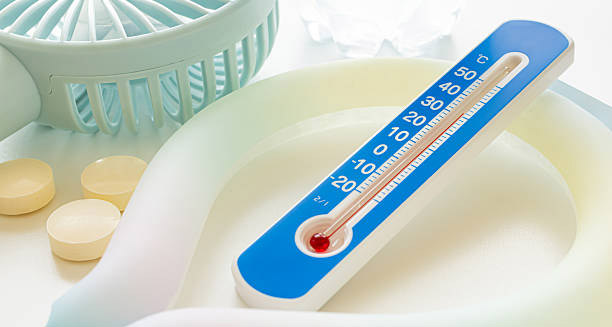
A crucial step in the diagnosis of heatstroke is obtaining an accurate core body temperature. This is best done using a rectal thermometer, as oral, axillary (underarm), tympanic (ear), or forehead methods may give falsely low readings due to sweating or environmental cooling. Rectal temperatures provide the most reliable measure of the true internal heat burden. A reading of 40°C or higher in a symptomatic individual confirms the clinical suspicion and necessitates immediate cooling intervention.
Alongside clinical observations, laboratory investigations help assess the extent of physiological disruption and guide supportive management. These tests include:
Complete blood count (CBC): May reveal elevated white blood cells due to stress or inflammation.
Serum electrolytes: Sodium, potassium, calcium, and magnesium levels are often disturbed. Hyponatraemia (low sodium) and hyperkalaemia (high potassium) can be life-threatening.
Renal Function Tests
Renal function tests: Elevated urea and creatinine levels suggest dehydration or acute kidney injury.
Liver function tests: Heatstroke can cause hepatic stress or failure, particularly with delayed treatment.
Creatine kinase (CK): Elevated in cases of rhabdomyolysis—muscle breakdown that can damage the kidneys.
Coagulation profile (PT, aPTT, INR): Disseminated intravascular coagulation (DIC) is a known complication of severe heatstroke.
Arterial blood gas (ABG): Often shows metabolic acidosis, hypoxaemia, or respiratory compensation.
Glucose levels: May be low due to altered metabolism or seizures, particularly in children.
Urinalysis is also informative, with findings such as dark or tea-coloured urine pointing toward rhabdomyolysis. Myoglobin in the urine may indicate muscle damage that can progress to acute renal failure.
Diagnosis of Heatstroke
Electrocardiography (ECG) helps check for irregular heartbeats, heart strain, or mineral imbalances. For example, a fast heartbeat called sinus tachycardia happens often. However, more serious rhythms like ventricular tachycardia or fibrillation can also occur, especially if potassium levels are high.
Doctors usually don’t do brain scans like CT or MRI right away unless they suspect a head injury, stroke, or other serious brain problems. However, once the patient is stable, doctors might order these scans if the person’s brain function is not improving or is getting worse.
In differentiating heatstroke from other conditions, several possibilities must be considered:
Sepsis or severe infection can mimic heatstroke with fever, confusion, and circulatory collapse. However, sepsis usually has an infectious source and normal thermoregulatory response.
Neuroleptic malignant syndrome (NMS) and serotonin syndrome present with hyperthermia and altered mental status but are usually drug-induced.
Malignant hyperthermia—a rare genetic reaction to certain anaesthetics—also causes extreme hyperthermia and requires specific intervention.
Hypoglycaemia
Hypoglycaemia, stroke, meningitis, and intoxication must also be ruled out, especially in patients without a clear heat exposure history.
Because a delayed diagnosis can cause serious harm, medical teams must start treatment immediately as soon as they suspect heatstroke, even while they run tests. For example, they should prioritize quick cooling methods right away—like ice water baths, spraying cool water with fans, or placing ice packs on large arteries—before waiting for test results.
In some cases, particularly with exertional heatstroke, the window for intervention is very narrow. Core temperatures can climb by 0.3°C per minute during intense exertion. Cooling within the first 30 minutes significantly improves survival and neurological outcomes, underscoring the need for field diagnosis and action in sporting, military, or industrial settings.
In conclusion, the diagnosis of heatstroke is primarily clinical, supported by temperature measurement and laboratory findings. Swift identification based on context and symptoms enables life-saving treatment. In all cases, the focus must be on lowering body temperature and managing complications—not on exhaustive testing before intervention. When recognised and managed quickly, survival rates improve dramatically; when missed or delayed, heatstroke is often fatal.