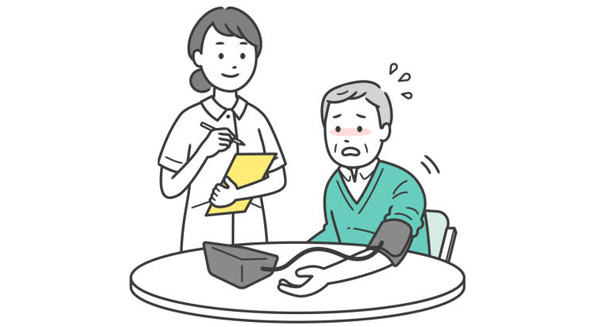
Hypotension, or low blood pressure, may at first appear straightforward to diagnose with a simple blood pressure reading. However, finding and understanding the cause of hypotension requires a much deeper and careful approach. The diagnosis is more than just numbers—it includes looking at symptoms, patient history, possible triggers, and related conditions that may cause low blood pressure.
Initial Clinical Assessment
Doctors start by doing a detailed clinical check that includes:
- Review of Symptoms: Signs like dizziness, fainting, tiredness, or vision problems give clues about how bad the hypotension is and what might cause it.
- Medical History: The doctor asks about any known diseases (such as diabetes, heart problems, or hormone issues), medicines taken, recent surgeries, fluid intake, and diet.
- Physical Examination: This checks pulse, hydration, skin color and feel, and nerve responses.
A single low blood pressure reading does not always confirm hypotension. Instead, repeated or symptom-linked low readings—especially below 90/60 mmHg—are more important.
Blood Pressure Monitoring Techniques
- Standard Blood Pressure Measurement
This uses a cuff and either a manual device or an automatic monitor. Readings usually come from both arms to rule out blood vessel problems. - Orthostatic (Postural) Blood Pressure Testing
This test checks for orthostatic hypotension. Blood pressure and heart rate are measured when the patient is:
- Lying down
- Sitting
- Standing (right away and after 3 minutes)
A drop of 20 mmHg systolic or 10 mmHg diastolic when standing shows orthostatic hypotension. This test shows if blood pressure falls with position changes and if the nervous system reacts properly.
- Ambulatory Blood Pressure Monitoring
For people with symptoms that come and go, a 24-hour monitor can be worn. It records pressure at regular times day and night. This helps find episodic or night-time hypotension and shows daily pressure patterns.
Laboratory Investigations
Blood and urine tests help find or rule out causes like dehydration, anaemia, infection, or hormone problems. Common tests include:
- Full Blood Count (FBC): Finds anaemia or infection
- Electrolyte Panel: Checks for low sodium or potassium
- Kidney Function Tests: Measures kidney health by urea and creatinine
- Glucose Levels: Low blood sugar can mimic or cause hypotension
- Thyroid Function Tests: Low thyroid hormone (hypothyroidism) can lower blood pressure
- Cortisol Test: Checks for adrenal insufficiency (Addison’s disease)
- Vitamin B12 and Folate: Deficiencies may cause tiredness and dizziness
These tests are key to spotting treatable causes and serious diseases.
Cardiovascular Testing
If heart causes are suspected, doctors use several tests:
- Electrocardiogram (ECG or EKG)
Records heart’s electrical activity. It can detect:
- Irregular heartbeats
- Heart block
- Past or ongoing heart attacks
- Heart muscle thickening
- Echocardiogram
An ultrasound showing heart structure and movement. It finds:
- Weak or failing heart muscles
- Valve problems
- Birth defects
- Fluid around the heart
- Stress Testing
Also called exercise tolerance test, it checks how the heart works during exercise. It can find exercise-induced low blood pressure, which suggests heart disease. - Tilt Table Test
Used for unexplained fainting. The patient lies flat on a table that tilts upright slowly while heart rate and blood pressure are checked. It helps find nervous system causes of hypotension.
Neurological and Autonomic Testing
If the nervous system may cause hypotension, further tests help:
- Autonomic Reflex Testing: Measures how well the nervous system controls blood pressure and heart rate during challenges like deep breathing
- MRI or CT scans: Used if brain or nerve diseases like Parkinson’s are suspected
- Nerve conduction studies: Used if nerve damage from diabetes or other causes is suspected
Additional Assessments
Depending on the case, doctors may also check:
- Hydration, especially in the elderly or athletes
- Nutrition, to rule out low sodium, fluids, or nutrients
- Medications, since many drugs (like diuretics, beta-blockers, antidepressants) can cause low blood pressure
In older adults on many medicines, drug-induced hypotension is a common cause and must always be checked.
When to Refer
Specialist referral is advised if:
- Hypotension is persistent or unexplained
- There are fainting episodes or major memory problems
- Signs of heart, hormone, or nerve disease appear
- Adrenal or pituitary gland issues are suspected
- No improvement after initial treatment
Patients may be sent to heart doctors, neurologists, kidney specialists, or hormone experts depending on cause.
Importance of Early Diagnosis
Early and accurate diagnosis of hypotension can prevent problems like repeated falls, poor blood flow to organs, and heart strain. For some, simple changes in fluids or medicines fix the problem. For others, it may reveal a serious health condition needing special care. Ignoring symptoms like dizziness, fainting, or tiredness delays treatment and risks harm. Diagnosis should be thorough, patient-specific, and active.