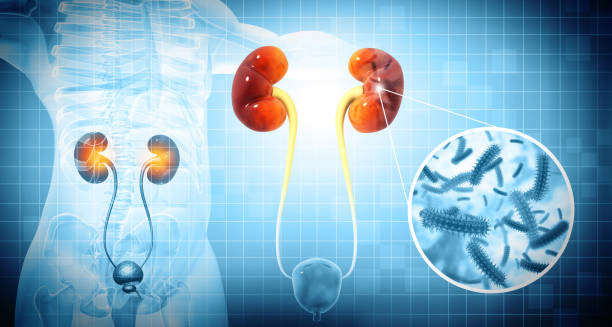

Kidney infection diagnosis is an essential clinical process that ensures appropriate treatment and prevents long-term health consequences. Because a kidney infection can mimic other urinary or abdominal conditions, doctors must use a combination of patient history, symptom review, physical examination, and laboratory tests to confirm the presence of the infection. Without proper diagnosis, this potentially serious condition could lead to complications such as sepsis, renal scarring, or impaired kidney function.
Understanding the Diagnostic Approach
A kidney infection, also called acute pyelonephritis, usually starts as a lower urinary tract infection and moves up to the kidneys. Detecting this early is very important. Doctors begin by taking a full medical history, then perform a physical exam. They also use urine tests, blood tests, and sometimes imaging scans. This approach helps show how bad the infection is, if complications exist, and if any conditions might cause repeated infections.
Medical History and Symptom Review
The first step is to gather detailed medical history. Patients describe their symptoms, including when they started, how strong they are, and if they have changed. Doctors ask questions like:
- Do you have pain in your side or lower back?
- Is your urine cloudy, dark, or smelly?
- Do you have fever, chills, or tiredness?
- Do you feel burning, urgency, or frequency when urinating?
- Have you had urinary infections or kidney stones before?
Doctors also check risk factors like past urinary tract infections, urinary tract problems, pregnancy, diabetes, or weak immune systems. In women, recent sexual activity or use of spermicides may increase infection risk. Knowing this helps doctors tell kidney infection apart from bladder infections, kidney stones, or gynecological issues.
Physical Examination
The physical exam looks for signs that support kidney infection. One important test is pressing on the back below the ribs where the kidneys sit to check for pain. This is called costovertebral angle tenderness. If present along with fever and urinary symptoms, it strongly suggests kidney infection rather than a bladder infection.
Other signs may include:
- Fever over 38°C
- Fast heartbeat
- Belly or pelvic tenderness
- Signs of dehydration
Though these symptoms are not only in kidney infections, they add to the suspicion and justify further tests.
Urinalysis and Urine Culture
Urinalysis is a key test. A clean midstream urine sample is checked for:
- Leukocyte esterase (white blood cells, showing infection)
- Nitrites (bacteria like E. coli)
- Red blood cells (may mean inflammation)
- Protein (may show kidney involvement)
Microscope checks can find bacteria, pus cells, and kidney-specific white blood cell casts. These casts point directly to kidney infection instead of a bladder infection.
A urine culture then grows the bacteria to find the exact germ causing the infection. This guides doctors to choose the best antibiotic, especially if initial treatment fails. While E. coli is most common, other germs like Klebsiella, Proteus, or Enterococcus may appear in hospital or complicated cases.
Blood Tests
For moderate to severe infections, blood tests provide important clues. These include:
- Full blood count showing raised white cells
- C-reactive protein (CRP) and erythrocyte sedimentation rate (ESR), which measure inflammation
- Kidney function tests (urea and creatinine) to check if kidneys are damaged
- Blood cultures if sepsis is suspected
Blood test results help assess infection severity, hospital needs, and risk of kidney injury.
Imaging Studies
Imaging is not always needed for simple cases but is important when diagnosis is unclear, treatment fails, or complications are suspected. Scans help find kidney stones, blockages, abscesses, or structural problems.
Common imaging tools include:
- Ultrasound, which is safe and can detect swelling or blockage
- CT scans, which give detailed views and detect complex infections or problems
- MRI, sometimes used in pregnancy or if the patient is allergic to contrast dye
Imaging is especially important for men, children, and patients with repeated infections, as these groups often have underlying causes.
Special Populations
Children
Diagnosing kidney infection in children can be hard because symptoms may be vague. Babies may only have fever, poor feeding, irritability, or vomiting. Early diagnosis is key to prevent kidney scarring.
Pregnant Women
Pregnancy increases risk due to changes in hormones and pressure on the urinary tract. Diagnosis uses urine tests and often ultrasound to protect the baby and mother.
Older Adults
Older adults may show unusual signs like confusion, weakness, or loss of bladder control instead of typical fever and pain. This makes lab tests even more important.
Differential Diagnosis
Doctors must rule out other conditions that look like kidney infection, such as:
- Bladder infections
- Kidney stones
- Appendicitis
- Pelvic inflammatory disease
- Muscle or bone pain in the lower back
Lab tests and imaging help make the right diagnosis and avoid wrong treatment.
Summary
Diagnosing a kidney infection means combining patient history, exam, urine and blood tests, and sometimes imaging. Getting the diagnosis right prevents serious problems like sepsis, chronic kidney disease, or permanent damage. Early detection and treatment are vital, especially in children, pregnant women, and the elderly.