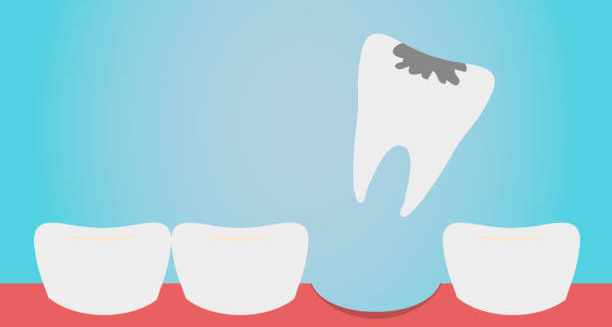

A prompt and accurate diagnosis of knocked-out tooth injuries is critical in determining the best course of treatment and optimising outcomes.
Dentists must act fast and make clear decisions. Quick action gives the best chance to put the tooth back in place and avoid long-term problems. The diagnosis of knocked-out tooth cases involves checking if the tooth is fully out and also looking at the condition of nearby tissues and other injuries.
First Steps in Diagnosis of Knocked-Out Tooth
The process starts with asking questions about the injury. Dentists want to know when and how it happened and how the tooth was handled and stored. Time is very important. A tooth should go back in within 30 to 60 minutes. After that, the living cells on the root start to die, which makes treatment harder and the outcome less certain.
Next, the dentist looks inside the mouth. They check the empty socket carefully. Signs of bleeding, cuts, or broken bone are noted. They also make sure no parts of the tooth remain inside the gums. Swelling or cuts around the area help show how bad the injury is.
If the tooth is brought in, it gets examined too. The dentist checks if the tooth is whole or broken. A key part of the diagnosis of knocked-out tooth cases is looking at the root. Any soft tissue still attached should stay in place. These fibres help the tooth reattach later. A tooth kept in milk, saline, or spit has a better chance of success than one left dry or cleaned with harsh products.
Using X-Rays and Scans for Full Evaluation
After the mouth and tooth are checked, X-rays help finish the diagnosis. Dentists may use periapical or panoramic X-rays to look at the bone and confirm the tooth is fully out. These images also help spot other problems like broken bone, tooth fragments left behind, or nearby teeth pushed into the jaw. In more serious cases, a cone-beam CT scan may be used for a clearer picture.
If the injury involved a hard hit to the face or head, doctors may order more tests. These help rule out things like a concussion, jaw fracture, or neck injury. For children, dentists must find out if the tooth is a baby tooth or a permanent one. The diagnosis of knocked-out tooth in kids must be done with care. Putting a baby tooth back can damage the growing adult tooth underneath, so it is usually not done.
Dentists also check the patient’s general health. If the tooth hit the ground or dirt, and the patient hasn’t had a tetanus shot recently, a booster may be needed. This step is part of caring for the whole patient, not just the mouth.
Classifying and Planning Based on Diagnosis of Knocked-Out Tooth
Once all the checks and images are done, the dentist confirms and records the diagnosis. They group the case by how much time has passed, how the tooth was stored, and the patient’s age and dental health. This helps them decide on the next step. They might choose to reimplant the tooth right away, plan for root treatment, or talk about long-term options.
If putting the tooth back in is not possible, the diagnosis still guides what to do next. Dentists may suggest a space maintainer, braces to close the gap, or implants later after healing. The diagnosis also helps set the schedule for follow-up care. Regular X-rays help catch problems like root damage, tooth fusion, or infection.
The dentist also considers how the injury affects the patient emotionally. This is especially true for kids and teens. The diagnosis phase is a good time to talk with the patient and their family. Offering support and honest advice helps reduce fear and keeps the patient willing to return for more care.
Education and Best Practices in Diagnosis of Knocked-Out Tooth
This step is also a chance to teach patients what to do if it happens again. Many people don’t know that a knocked-out tooth can often be saved. Teaching them to hold the tooth by the crown, not the root, and to store it in milk or spit, can make a huge difference. Giving simple, clear advice helps them respond better if it ever happens again.
New dental guidelines, like those from the International Association of Dental Traumatology (IADT), give clear steps for handling dental injuries. These rules help dentists all over the world make better decisions and give the best care.
To sum up, the diagnosis of knocked-out tooth injuries involves much more than spotting a missing tooth. Dentists take a full history, do a careful exam, use X-rays, and consider the patient’s overall health. The sooner and more thoroughly this is done, the better the result. A strong diagnosis leads to fast, effective care that keeps the patient’s mouth healthy and looking good in the long run.