
Diagnosis of leprosy is a critical step in managing this chronic infectious disease effectively.
A quick and accurate diagnosis of leprosy helps stop long-term problems. It also lowers the spread of the disease and improves the lives of those affected. Because leprosy looks like other skin and nerve problems, spotting it early is key. It helps prevent confusion and treatment delays. Doctors usually rely on symptoms, skin tests, nerve checks, and lab results. Early signs and risk factors play a big role in this process.
Clinical Signs Help in the Diagnosis of Leprosy
Doctors begin by doing a full body check. They look for signs like skin patches that have little or no feeling, thick nerves, and weak muscles. These symptoms can be hard to notice in the early stages. That’s why trained doctors must tell it apart from other skin problems like vitiligo, fungal infections, or psoriasis. It can also look like nerve damage from diabetes or alcohol use. During the exam, doctors test areas of skin for temperature, pain, and light touch. Patches that are pale and numb often raise suspicion.
Using Skin Tests to Support Diagnosis
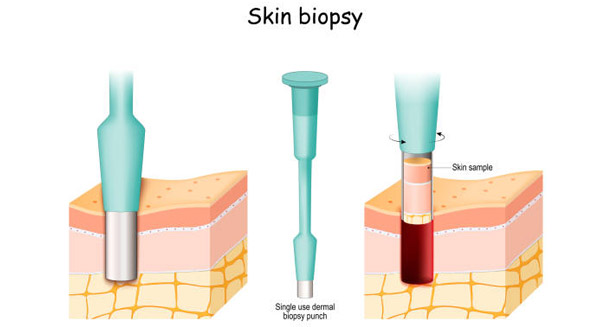
After checking the skin, doctors often do a skin smear or biopsy. For a smear test, they scrape a bit of skin or fluid from a spot and stain it. They use a special method called Ziehl-Neelsen staining to look for leprosy bacteria. The number of bacteria helps doctors know how serious the case is and whether it’s likely to spread. But sometimes, especially in cases with few bacteria, the test may not show anything. A negative result does not mean the person doesn’t have leprosy. In these cases, a skin biopsy can help. It shows if there is damage to the nerves or signs of infection under a microscope.
Newer Lab Tests in the Diagnosis of Leprosy
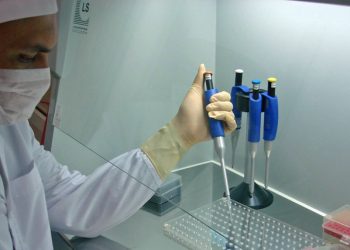
In some advanced clinics, doctors also use blood and DNA tests. A test called PCR finds leprosy DNA in skin or nerve samples. It works well even when bacteria are low. However, this test is not available in many places with fewer resources. Blood tests can also find certain antibodies made against the leprosy germ. These tests help spot people who were close to someone with leprosy. Still, they are not perfect and are not used often in normal care because the results vary a lot.
Nerve Checks Are Key for Diagnosis of Leprosy
Checking the nerves is another important step. Leprosy often harms nerves, and catching this early can stop serious damage. Doctors feel for swollen nerves like those in the arms and legs. They also test muscle strength and sensation. In more advanced cases, people might have weak muscles, curled fingers, or a dropped foot. These signs also help confirm leprosy. In some hospitals, doctors use machines to measure how well nerves work, giving even more detail.
WHO Guidelines and Practical Tools for Diagnosis
The World Health Organization uses a simple system to help with the diagnosis of leprosy. If someone has five or fewer skin spots and no bacteria on smear tests, they are labeled as paucibacillary. If they have more than five spots or bacteria are found, they are multibacillary. This system helps doctors decide how to treat the patient. It also works well in places with few lab tools. Some countries also use terms like tuberculoid or lepromatous leprosy, based on the body’s response and lab results.
Look-Alike Conditions Can Delay Diagnosis
Doctors also need to rule out other diseases that look like leprosy. These include lupus, syphilis, sarcoidosis, and many skin problems. So, they need to ask about the person’s past, travel history, and whether they’ve been near someone with leprosy. Some people might not get diagnosed quickly because the disease moves slowly. This delay makes it more important for doctors to stay alert.
Contact Tracing in the Diagnosis of Leprosy
Finding leprosy early isn’t just about the patient. It also means checking their close contacts. People living with someone who has leprosy have a higher chance of getting sick too. Doctors should check these people regularly for early signs. Teaching people about leprosy and fighting stigma helps them get checked sooner. It also makes them more likely to come back for follow-ups.
Wrapping Up the Diagnosis of Leprosy
In short, doctors use many steps to make a diagnosis of leprosy. They watch for symptoms, do lab tests, check nerves, and sometimes use advanced tools like DNA tests. Catching the disease early helps stop its spread and lets doctors treat it quickly. As better tests become more common and people learn more, fewer cases will be missed or found too late.