Diagnosis of male menopause requires a thorough and systematic approach because its symptoms often overlap with other medical conditions or are dismissed as natural ageing. Unlike female menopause, which occurs at a clearly defined time due to the cessation of menstruation, male menopause (also known as andropause or late-onset hypogonadism) is more gradual and harder to pinpoint. Accurate diagnosis is essential to rule out other causes, confirm testosterone deficiency, and provide effective treatment.
This section outlines how healthcare providers diagnose male menopause through symptom analysis, clinical exams, lab testing, and medical guidelines.
Recognising the Symptoms
The diagnosis of male menopause often begins with a man reporting ongoing symptoms like low libido, fatigue, mood swings, weight gain, muscle loss, or erectile dysfunction. These signs appear gradually and may be subtle.
However, many of these symptoms also stem from other conditions, including:
- Depression or anxiety
- Sleep disorders like sleep apnoea
- Metabolic issues such as diabetes
- Thyroid imbalance
- Chronic stress
- Poor lifestyle habits (e.g. inactivity, poor diet, alcohol misuse)
Because these symptoms overlap with various health issues, doctors can’t rely on them alone. A deeper evaluation is necessary.
Step 1: Medical History
The first step in the diagnosis of male menopause is taking a detailed medical history. Doctors will ask about:
- Energy and fatigue levels
- Sexual function and desire
- Mood changes or emotional distress
- Sleep quality and patterns
- Body changes, such as fat gain or muscle loss
- Current and past health conditions
- Medications, especially steroids, antidepressants, or opioids
- Use of alcohol, tobacco, or recreational drugs
- Family history of hormonal or heart-related issues
Being open and honest during this step ensures more accurate diagnosis and treatment planning.
Step 2: Physical Examination
A physical exam provides clues about testosterone deficiency and helps identify or rule out other causes. Doctors may check:
- Body mass index (BMI) and waist size
- Testicle size and firmness
- Breast tissue, to identify gynecomastia
- Muscle strength and tone
- Hair and skin changes
- Prostate health, especially in older men
This step offers insight into hormone levels and possible related conditions.
Step 3: Blood Tests – The Critical Factor
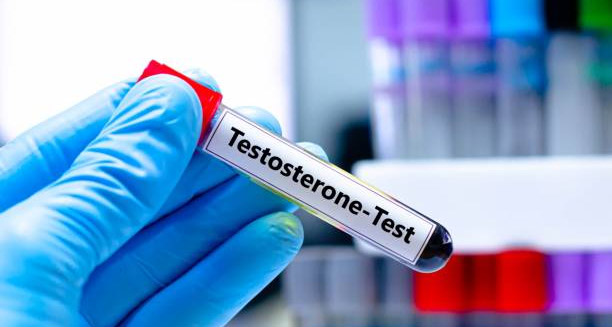
Lab testing plays the biggest role in confirming the diagnosis of male menopause. These tests measure hormone levels and help pinpoint the cause.
Key tests include:
- Total testosterone: The most important test. Done in the morning when testosterone is highest. Two tests on different days are often required. Levels below 300 ng/dL (10.4 nmol/L) usually indicate deficiency.
- Free testosterone: Measured if total testosterone is borderline. It reflects the active form of the hormone.
- LH and FSH: These pituitary hormones reveal whether the issue comes from the testes or the brain.
- SHBG: This protein affects how much testosterone is available in the body.
- Additional blood work: Depending on symptoms, doctors may also check:
- Thyroid hormones
- Prolactin
- Blood sugar and HbA1c
- Cholesterol and triglycerides
- Liver and kidney function
- Complete blood count (CBC)
These lab results guide diagnosis and help rule out other problems.
Step 4: Clinical Guidelines and Diagnosis Criteria
Doctors use established guidelines to confirm the diagnosis of male menopause. For example, The Endocrine Society requires both low testosterone and symptoms to be present before starting treatment.
It’s not enough to have low testosterone alone. Many men with low levels feel fine and don’t need therapy. Likewise, some men with normal testosterone may have symptoms caused by other issues.
Diagnosis must be made using both lab results and a full clinical picture.
Step 5: Ruling Out Other Conditions
Another key part of diagnosis is excluding other diseases that mimic male menopause. These include:
- Major depression
- Chronic fatigue syndrome
- Diabetes
- Pituitary tumours
- Medication side effects
- Sleep disorders like sleep apnoea
If symptoms remain unclear, doctors may refer the patient to a urologist or endocrinologist for further testing or hormone analysis.
The Role of Age
Testosterone normally drops by about 1% per year after age 30. This slow decline is part of natural ageing and doesn’t always cause symptoms or require treatment.
However, a sharp or early drop—especially if it causes fatigue, depression, or sexual dysfunction—may point to pathological andropause.
Age alone should never be the deciding factor in the diagnosis of male menopause. Many men in their 40s or 50s experience hormonal decline due to stress, obesity, or medications.
Challenges in Diagnosis
Diagnosing male menopause isn’t always straightforward. Hormone levels vary from day to day, and symptoms often resemble other conditions.
Some key challenges include:
- No clear testosterone reference ranges by age group
- Overlap with mental health symptoms
- Daily hormone fluctuations
- Hesitancy among men to discuss sexual or emotional issues
Because of this, accurate diagnosis requires a skilled medical professional who uses a full-body, evidence-based approach.
Conclusion
The diagnosis of male menopause involves more than just a blood test. It starts with recognising symptoms, taking a complete history, and performing a physical exam. Lab testing confirms hormone levels, and other conditions must be ruled out.
A timely and accurate diagnosis of male menopause is vital for long-term health. Without it, men risk complications like osteoporosis, heart disease, and metabolic syndrome. With the right diagnosis, treatment can begin—and symptoms can be reversed or managed effectively.