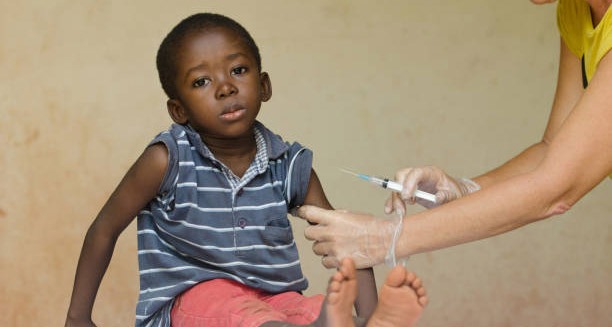

Diagnosis of Malnutrition
The diagnosis of malnutrition is a critical step in addressing both undernutrition and overnutrition.
Prompt and accurate diagnosis of malnutrition helps health workers find the severity and type of nutritional problem. It also guides them in creating a tailored care plan. Since malnutrition shows up in many physical, chemical, and behaviour changes, its diagnosis needs more than one method. It usually combines clinical checks, body measurements, diet records, and lab tests.
Finding malnutrition early is key to avoiding complications. This matters most for children, the elderly, and people with long-term illnesses. Still, diagnosis often gets delayed. Many signs look general, or people may not notice them, especially outside hospitals. This section explains the main tools used to assess nutrition and confirm the diagnosis of malnutrition.
1. Clinical Assessment
One of the fastest ways to start is a detailed clinical check. This includes reviewing medical history, doing a physical exam, and spotting signs of poor nutrition.
Doctors begin by asking about recent weight change, appetite, eating habits, and any illness or medicine that blocks nutrient absorption. Loss of appetite, stomach problems, and sudden weight loss raise concern. In children, slow growth or falling off the growth chart is an early sign of long-term undernutrition.
During the exam, health workers check for muscle loss, reduced fat under the skin, swelling, dry skin, or changes in hair and nails. In overnourished people, belly fat, skin changes like acanthosis, or high blood pressure may show diet-related illness.
These signs are useful but often subjective. For a full picture, doctors combine them with measured data from other tests.
2. Anthropometric Measurements
Measuring body size and shape gives strong evidence for the diagnosis of malnutrition. Common tools include:
- BMI (Body Mass Index): Weight in kilograms divided by height in meters squared. It shows underweight, normal, overweight, or obese. But BMI does not explain fat type or muscle.
- MUAC (Mid-Upper Arm Circumference): A quick tool for children under five, often used in low-resource areas. Very low MUAC shows severe malnutrition.
- Skinfold thickness: Checks body fat by pinching skin at spots like the triceps. It is more exact than BMI but needs skill.
- Weight-for-height and height-for-age z-scores: Used in children to check wasting or stunting.
- Waist-to-hip ratio or waist size: Often used to detect belly fat, which links to heart disease and diabetes.
Tracking these measures over time helps see both the problem and the progress during treatment.
3. Dietary Assessment
Checking what a person eats each day also supports the diagnosis of malnutrition. This step reviews both the amount and the quality of food.
Methods include:
- 24-hour recall: The person shares all meals and drinks from the past day. It is easy but may not reflect usual intake.
- Food frequency forms: These track how often certain foods are eaten weekly or monthly.
- Food diaries: People record meals for a few days with portion sizes. This method is more exact but needs effort.
During review, doctors check nutrient balance, fluid intake, and food habits. Special care is given to pregnant women, older adults, and people with health problems such as diabetes or coeliac disease.
Restrictive eating habits, like those in eating disorders, are also checked. Malnutrition may still occur in someone with normal or even high BMI if the diet lacks vital nutrients.
4. Lab and Biochemical Tests
Lab tests give objective proof in the diagnosis of malnutrition. They find deficiencies that may not show on exam. Common ones are:
- Complete blood count (CBC): Detects anaemia, infection, or blood problems.
- Serum proteins: Albumin and transferrin show protein status. Still, results change with hydration or inflammation.
- Electrolytes and kidney function: Show hydration and kidney health.
- Vitamin and mineral levels: Direct tests for vitamins A, D, B12, folate, and minerals like iron and zinc.
- Blood sugar and lipid tests: Help check for overnutrition and related problems.
If doctors suspect poor absorption, stool tests or coeliac screening may also be done.
5. Functional and Immune Tests
These tests reveal how malnutrition affects strength and immunity. For example:
- Handgrip strength: A quick test of muscle power and nutrition status, often used in elderly people.
- Delayed skin reaction tests: Measure immune strength and show recovery after malnutrition.
These are less common but add useful insight when read with other results.
6. Screening Tools for Malnutrition
Different tools make it easier to spot people at risk. Some key ones are:
- MUST (Malnutrition Universal Screening Tool): Used in hospitals and communities in the UK. It checks BMI, weight loss, and disease effects.
- NRS-2002 (Nutritional Risk Screening): Common for hospital patients, especially before surgery.
- MNA (Mini Nutritional Assessment): Created for older adults, covering diet, body measures, and personal reports.
These tools help identify people at risk early and guide care.
7. Special Considerations
The diagnosis of malnutrition changes by age and condition. For example:
- Children: Growth charts and vaccine records are vital.
- Elderly: Problems like poor teeth, memory loss, or low appetite complicate checks. Sudden weight loss is a key warning.
- Pregnant women: Higher nutrient needs make food reviews critical for both mother and baby.
- Chronic illness: Diseases like cancer or HIV can hide or worsen malnutrition, needing specialised methods.
Conclusion
The diagnosis of malnutrition needs many steps. It mixes clinical review, measurement, diet checks, and lab proof. Correct and early diagnosis allows timely treatment. This improves health and prevents long-term harm. Regular screening in people at risk remains the best way to fight nutrition problems.