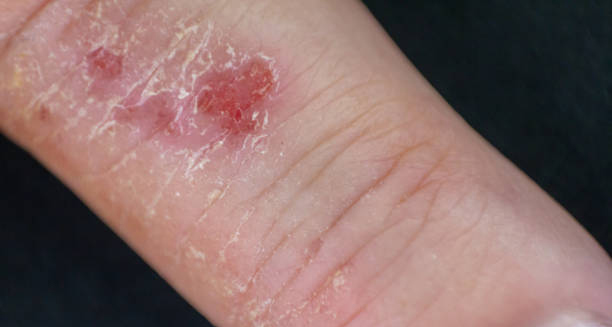

Discoid Eczema
Discoid eczema is a chronic skin condition characterised by coin-shaped patches of inflamed, itchy, and often scaly skin. These circular lesions usually appear on the arms, legs, or torso and may become infected if scratched excessively. While this eczema can affect people of any age. It is more commonly seen in adults and tends to be more severe during colder months or in dry climates.
Unlike other forms of eczema that can appear more widespread, discoid eczema typically presents in well-defined patches. The condition is not contagious. However, its appearance can be distressing and cause discomfort. Especially when the lesions ooze, crust over, or leave behind dark or light pigmentation after healing.
Although the exact cause of discoid eczema remains unknown. It is believed to result from a combination of genetic, environmental, and lifestyle factors. Common triggers include dry skin, stress, changes in weather, and the use of harsh soaps or skin irritants. People with a history of atopic eczema, asthma, or allergies may be more susceptible.
In South Africa, the drier regions such as the Karoo or parts of the Free State can make managing this eczema more challenging due to the lack of humidity. Similarly, limited access to dermatological care in rural clinics can delay diagnosis and treatment, which in turn increases the risk of infection and scarring.
Discoid Eczema
Internationally, discoid eczema affects a significant number of individuals, particularly during autumn and winter when central heating and cold air can strip the skin of its natural oils. The condition is known by various names, including nummular eczema and nummular dermatitis, but all refer to the same circular pattern of inflamed skin.
With early diagnosis and consistent treatment, most people can manage discoid eczema effectively. Moisturising regularly, avoiding known irritants, and using prescribed anti-inflammatory creams can reduce flare-ups and improve skin appearance. Though the condition may recur, long-term management strategies can make a significant difference in quality of life.
[Next: Causes of Discoid Eczema →]